
Rehab in Pakistan for Burnley families starts with a practical question: what care does this person need, and can an overseas service meet those needs safely? This guide helps patients and relatives compare assessment, communication, costs and continuing support before making an admission decision.
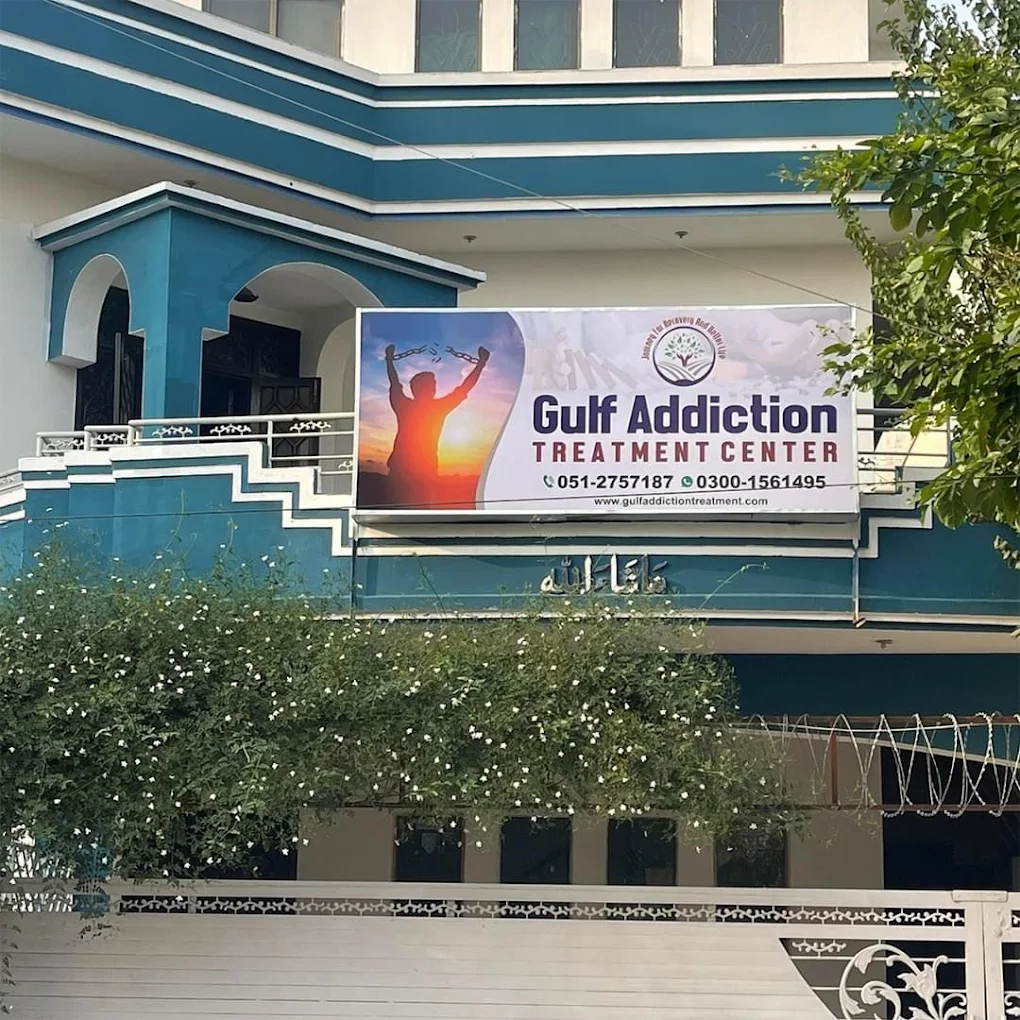
Gulf Addiction Treatment Center is located in Islamabad, Pakistan. UK location references identify the families this information is written for; they do not represent local branches. Ask the centre directly about current services, staffing, availability and individual suitability. This is general planning information, not a diagnosis, a prescription or an individual recommendation to travel.
Getting advice before a change in drinking or travel: a guide for Burnley
For a Burnley family worried about alcohol dependence, the first action is medical assessment rather than arranging a sudden overseas departure. Tell the clinician about previous withdrawal or hospital care. Do not remove alcohol abruptly or use the journey as a detox plan. Confirm the safest next step locally before deciding whether an Islamabad admission is appropriate.
Address withdrawal risk before making travel arrangements
Alcohol dependence requires particular care when someone is considering a flight or an abrupt change of routine. The NHS warns that suddenly stopping alcohol can be dangerous for a dependent person. A plane journey, airport delay or family decision to remove alcohol is not a supervised withdrawal plan. Seek medical advice before changing drinking patterns or deciding when to travel.
Tell the assessing clinician about previous withdrawal, seizures, hallucinations, hospital admissions and other medicines or substances. Do not minimise the history because admission feels urgent. Those details affect the assessment of immediate safety and the level of support needed. A provider abroad must also receive the relevant history, with the person's consent, before confirming what it can offer.
Ask who is responsible for care before departure, during any transition and after arrival. A booking confirmation does not establish fitness to fly. If someone is acutely unwell, get local medical help rather than waiting for an international admission. In the UK, severe withdrawal symptoms such as seizures or marked confusion require emergency help; the NHS alcohol support page explains when to call 999.
After immediate needs are assessed, discuss the wider rehabilitation plan: psychological support, daily routine, family involvement where wanted and continuing care. Completing withdrawal management does not automatically resolve the reasons a person drinks. The practical aim is a connected pathway, not simply arriving in another country without a clear handover.
What to establish during the first assessment
Prepare a concise history in the patient's own words where possible. Include current concerns, relevant physical and mental health care, medicines, previous treatment and the support available at home. Explain what is known and what remains uncertain. Avoid using a family disagreement as a substitute for clinical information. The assessing professional should be able to speak directly with the person and explain the next steps in understandable language.
Ask why a particular level of care is being proposed. Is the immediate need a local medical assessment, community support, residential care or another service? What would make the proposed setting unsuitable? Request an explanation of how needs will be reviewed if circumstances change. A responsible plan can include a different referral or a decision to remain in the UK; there is no single pathway that suits every patient.
Questions to put to an overseas provider
- Who assesses the patient, and how can professional credentials be checked?
- What medical and nursing support is actually available, including overnight?
- Which needs cannot be managed, and what is the hospital escalation process?
- What does the written quote include, and which costs are separate?
- How are patient consent, family updates and complaints handled?
- What discharge records and follow-up arrangements can be provided?
Record answers in one comparison sheet rather than relying on a series of informal messages. Ask for clarification when a description is broad, such as complete care or premium treatment. A named professional, a written process and a clear exclusion are easier to evaluate than an outcome promise. Do not assume accreditation, UK regulation, a specialist programme or a clinical partnership from a logo or a marketing phrase.
The person considering treatment should have time to read the information and ask questions. Relatives can help organise the enquiry without taking over every decision. Discuss any language or cultural preferences explicitly, and confirm what is currently available. Respectful communication depends on the individual's wishes as well as the provider's ability to meet the assessed needs.
Budget, travel and communication before departure
Use a written quote to create a total budget. Treatment charges, travel, a companion, medicines, additional appointments and continuing support may be separate. Ask about changes to the plan, early discharge and cancellation terms. This article does not publish a package price, promise lower costs or confirm insurance cover. Current charges and payment conditions need direct confirmation for the proposed admission.
Check current official travel and medicine requirements separately from the clinical assessment. Flight availability does not establish fitness to travel. Agree the receiving contact, address, admission time and a plan for delays before departure. Confirm any transfer or companion arrangements rather than assuming they are included. If someone becomes acutely unwell, seek appropriate local help instead of waiting for an overseas booking.
Keep the return home in the treatment plan
Discuss the return to ordinary life early: accommodation, employment, caring responsibilities, appointments and support the patient wants from relatives. Request a discharge summary and relevant medicine information. Contact suitable UK services to understand their access and assessment processes before promising a particular follow-up arrangement. The receiving professional may need records and consent, and an appointment is not created automatically by a recommendation abroad.
Agree how to respond when the person feels they need more support. A plan should name contacts, identify practical barriers and allow for review rather than rely on a promise never to struggle again. Relatives should understand their own boundaries and when professional help is appropriate. Continuing care, understandable records and a realistic routine matter beyond the residential stay.
Frequently asked questions
Should someone stop drinking suddenly before flying to rehab?
A person who may be alcohol dependent should seek medical advice before stopping or sharply reducing alcohol. Travel must not be used as a substitute for assessment or supervised withdrawal care.
Where is Gulf Addiction Treatment Center located?
Gulf Addiction Treatment Center is in Islamabad, Pakistan. This guide is for UK families considering care there and does not describe a UK branch.
Can a family book before an assessment?
Ask for an individual suitability assessment before paying or booking travel. Availability, the appropriate level of care and any assistance need direct confirmation.
What should be planned for the return to the UK?
Discuss discharge records, medicines where relevant, suitable UK follow-up and a practical response plan. UK appointments and clinical handovers are not automatic.
Related planning guides
- Alcohol Treatment Before Travelling from the UK to Pakistan
- Choosing Rehab in Pakistan for UK Residents
- UK vs Pakistan Rehab Costs: A Written Quote Checklist
- Travelling from the UK to Islamabad for Rehab: Planning Guide
- Returning to the UK After Rehab in Pakistan: Aftercare Checklist
Browse all UK family rehab planning guides
Sources and further reading
For alcohol withdrawal safety and UK support options, read NHS alcohol support. For an overview of addiction treatment and recovery, see NIDA treatment and recovery. Travel and entry information should be checked through UK government Pakistan travel advice before arrangements are made.
Ask Gulf about the Islamabad facility
For a discussion about current services and suitability, contact Gulf Addiction Treatment Center. Call +92 300 1561495 or send a WhatsApp enquiry. Confirm the clinical plan, staff, fees and any requested assistance before booking. The facility is in Islamabad; this guide does not promise a UK service, an outcome or travel support.