
UK Rehab Planning

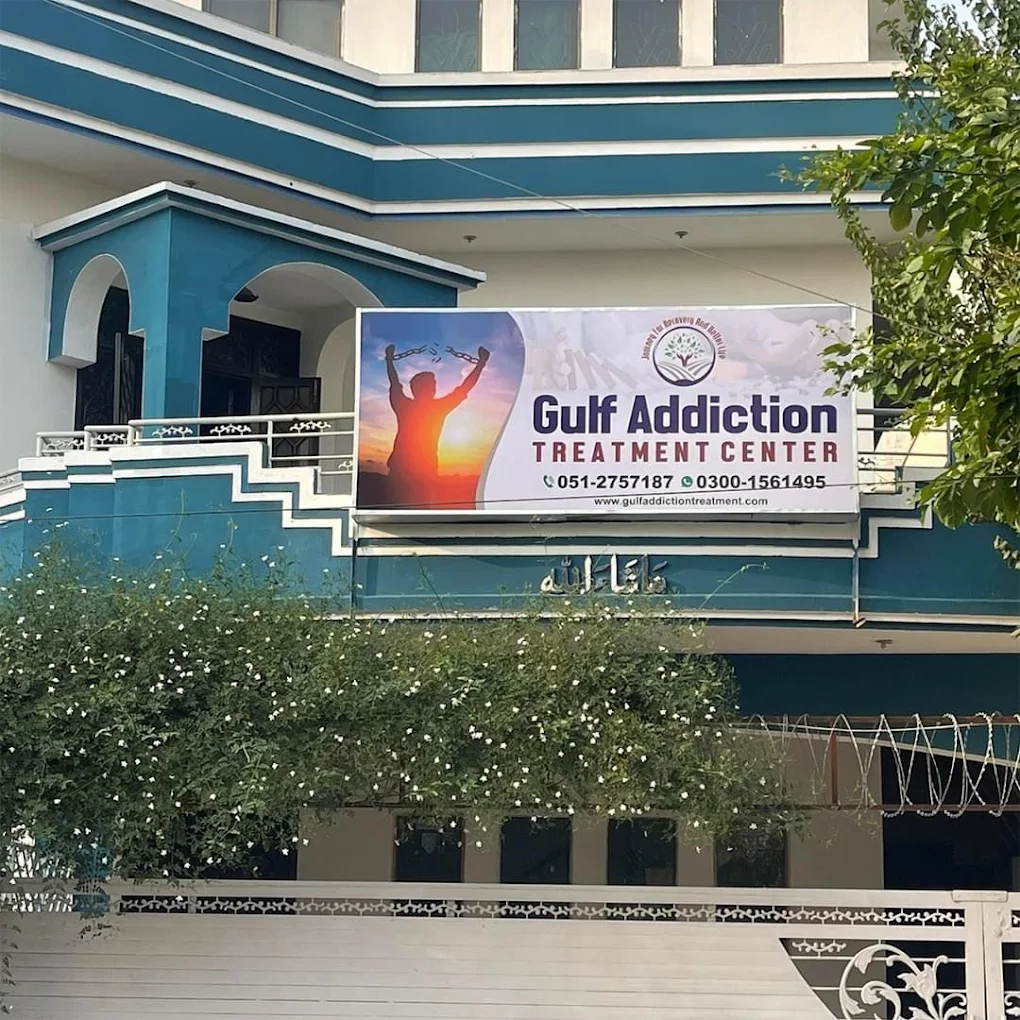
Gulf Addiction Treatment Center building in Islamabad, Pakistan

Returning to the UK After Rehab in Pakistan: Aftercare Checklist

Aftercare UK after rehab in Pakistan starts with a practical question: what care does this person need, and can an overseas service meet those needs safely? This guide helps patients and relatives compare assessment, communication, costs and continuing support before making an admission decision.

Gulf Addiction Treatment Center is located in Islamabad, Pakistan. UK location references identify the families this information is written for; they do not represent local branches. Ask the centre directly about current services, staffing, availability and individual suitability. This is general planning information, not a diagnosis, a prescription or an individual recommendation to travel.

Prepare for home before the final week of treatment

Returning home changes the recovery environment again. Work, relationships, money and familiar routines may all need attention. Start a discharge discussion early rather than waiting until tickets are booked. Ask the patient what support they want and identify which arrangements can realistically be maintained after arrival in the UK.

Request a usable discharge summary, current medicine information where relevant and a description of recommended follow-up. Contact the appropriate UK services in advance to discuss access and appointments; do not assume automatic acceptance, immediate prescribing or a guaranteed place. With consent, clarify what information a receiving professional needs and who will send it.

Build a practical weekly plan including rest, responsibilities, appointments and supportive activities. Discuss warning signs and what to do if substance use returns or mental health worsens. The NIDA treatment resource explains that a return to use does not automatically mean treatment has failed; it is a reason to reassess support. Avoid treating a lapse as grounds for humiliation or abandonment.

Agree who the person can contact, how family boundaries will work and when professional help should be sought. Emergency situations need appropriate local help, not a delayed response from an overseas contact. Continuing care should be flexible enough to change with the person's needs rather than depend on a single promise made at discharge.

What to establish during the first assessment

Prepare a concise history in the patient's own words where possible. Include current concerns, relevant physical and mental health care, medicines, previous treatment and the support available at home. Explain what is known and what remains uncertain. Avoid using a family disagreement as a substitute for clinical information. The assessing professional should be able to speak directly with the person and explain the next steps in understandable language.

Ask why a particular level of care is being proposed. Is the immediate need a local medical assessment, community support, residential care or another service? What would make the proposed setting unsuitable? Request an explanation of how needs will be reviewed if circumstances change. A responsible plan can include a different referral or a decision to remain in the UK; there is no single pathway that suits every patient.

Questions to put to an overseas provider

  • Who assesses the patient, and how can professional credentials be checked?
  • What medical and nursing support is actually available, including overnight?
  • Which needs cannot be managed, and what is the hospital escalation process?
  • What does the written quote include, and which costs are separate?
  • How are patient consent, family updates and complaints handled?
  • What discharge records and follow-up arrangements can be provided?

Record answers in one comparison sheet rather than relying on a series of informal messages. Ask for clarification when a description is broad, such as complete care or premium treatment. A named professional, a written process and a clear exclusion are easier to evaluate than an outcome promise. Do not assume accreditation, UK regulation, a specialist programme or a clinical partnership from a logo or a marketing phrase.

The person considering treatment should have time to read the information and ask questions. Relatives can help organise the enquiry without taking over every decision. Discuss any language or cultural preferences explicitly, and confirm what is currently available. Respectful communication depends on the individual's wishes as well as the provider's ability to meet the assessed needs.

Budget, travel and communication before departure

Use a written quote to create a total budget. Treatment charges, travel, a companion, medicines, additional appointments and continuing support may be separate. Ask about changes to the plan, early discharge and cancellation terms. This article does not publish a package price, promise lower costs or confirm insurance cover. Current charges and payment conditions need direct confirmation for the proposed admission.

Check current official travel and medicine requirements separately from the clinical assessment. Flight availability does not establish fitness to travel. Agree the receiving contact, address, admission time and a plan for delays before departure. Confirm any transfer or companion arrangements rather than assuming they are included. If someone becomes acutely unwell, seek appropriate local help instead of waiting for an overseas booking.

Keep the return home in the treatment plan

Discuss the return to ordinary life early: accommodation, employment, caring responsibilities, appointments and support the patient wants from relatives. Request a discharge summary and relevant medicine information. Contact suitable UK services to understand their access and assessment processes before promising a particular follow-up arrangement. The receiving professional may need records and consent, and an appointment is not created automatically by a recommendation abroad.

Agree how to respond when the person feels they need more support. A plan should name contacts, identify practical barriers and allow for review rather than rely on a promise never to struggle again. Relatives should understand their own boundaries and when professional help is appropriate. Continuing care, understandable records and a realistic routine matter beyond the residential stay.

Frequently asked questions

Is UK follow-up automatically provided after an overseas admission?

No. Confirm proposed follow-up, contact UK services before return and agree record sharing with consent. Do not assume an overseas provider has a UK clinical partnership.

Where is Gulf Addiction Treatment Center located?

Gulf Addiction Treatment Center is in Islamabad, Pakistan. This guide is for UK families considering care there and does not describe a UK branch.

Can a family book before an assessment?

Ask for an individual suitability assessment before paying or booking travel. Availability, the appropriate level of care and any assistance need direct confirmation.

What should be planned for the return to the UK?

Discuss discharge records, medicines where relevant, suitable UK follow-up and a practical response plan. UK appointments and clinical handovers are not automatic.

Related planning guides

UK family location guides

Browse all UK family rehab planning guides

Sources and further reading

For alcohol withdrawal safety and UK support options, read NHS alcohol support. For an overview of addiction treatment and recovery, see NIDA treatment and recovery. Travel and entry information should be checked through UK government Pakistan travel advice before arrangements are made.

Ask Gulf about the Islamabad facility

For a discussion about current services and suitability, contact Gulf Addiction Treatment Center. Call +92 300 1561495 or send a WhatsApp enquiry. Confirm the clinical plan, staff, fees and any requested assistance before booking. The facility is in Islamabad; this guide does not promise a UK service, an outcome or travel support.

Returning to the UK After Rehab in Pakistan: Aftercare Checklist Read More »

Gulf Addiction Treatment Center building in Islamabad, Pakistan

Privacy and Consent When UK Families Arrange Rehab Abroad

Privacy and consent rehab abroad starts with a practical question: what care does this person need, and can an overseas service meet those needs safely? This guide helps patients and relatives compare assessment, communication, costs and continuing support before making an admission decision.

Gulf Addiction Treatment Center is located in Islamabad, Pakistan. UK location references identify the families this information is written for; they do not represent local branches. Ask the centre directly about current services, staffing, availability and individual suitability. This is general planning information, not a diagnosis, a prescription or an individual recommendation to travel.

Agree what can be shared before creating a family communication group

Families may coordinate transport or pay for care, but those roles do not by themselves answer who may receive clinical updates. Ask the provider to explain its consent and information-sharing process to the patient in an understandable form. Record the people to be contacted, the type of updates permitted and how preferences can be changed.

Discuss routine practical updates separately from sensitive therapy content. A family may need to know appointment or discharge arrangements without receiving the details of every clinical conversation. Do not promise total secrecy in all circumstances: ask the provider to explain the limits of confidentiality and any situations in which information may need to be shared.

Use verified communication channels for records. Confirm the recipient before sending identification, medical documents or personal histories. Ask about record storage, access requests, interpreter confidentiality and how to raise concerns. This article does not claim that a Pakistani provider operates under the same regulatory arrangements as a UK service.

If there is disagreement about treatment, seek appropriate professional advice rather than assuming a relative can authorise everything. Clarify consent and decision-making requirements with qualified professionals for the circumstances and location involved. A clear process protects the patient's participation and gives relatives realistic expectations about what information they will receive.

What to establish during the first assessment

Prepare a concise history in the patient's own words where possible. Include current concerns, relevant physical and mental health care, medicines, previous treatment and the support available at home. Explain what is known and what remains uncertain. Avoid using a family disagreement as a substitute for clinical information. The assessing professional should be able to speak directly with the person and explain the next steps in understandable language.

Ask why a particular level of care is being proposed. Is the immediate need a local medical assessment, community support, residential care or another service? What would make the proposed setting unsuitable? Request an explanation of how needs will be reviewed if circumstances change. A responsible plan can include a different referral or a decision to remain in the UK; there is no single pathway that suits every patient.

Questions to put to an overseas provider

  • Who assesses the patient, and how can professional credentials be checked?
  • What medical and nursing support is actually available, including overnight?
  • Which needs cannot be managed, and what is the hospital escalation process?
  • What does the written quote include, and which costs are separate?
  • How are patient consent, family updates and complaints handled?
  • What discharge records and follow-up arrangements can be provided?

Record answers in one comparison sheet rather than relying on a series of informal messages. Ask for clarification when a description is broad, such as complete care or premium treatment. A named professional, a written process and a clear exclusion are easier to evaluate than an outcome promise. Do not assume accreditation, UK regulation, a specialist programme or a clinical partnership from a logo or a marketing phrase.

The person considering treatment should have time to read the information and ask questions. Relatives can help organise the enquiry without taking over every decision. Discuss any language or cultural preferences explicitly, and confirm what is currently available. Respectful communication depends on the individual's wishes as well as the provider's ability to meet the assessed needs.

Budget, travel and communication before departure

Use a written quote to create a total budget. Treatment charges, travel, a companion, medicines, additional appointments and continuing support may be separate. Ask about changes to the plan, early discharge and cancellation terms. This article does not publish a package price, promise lower costs or confirm insurance cover. Current charges and payment conditions need direct confirmation for the proposed admission.

Check current official travel and medicine requirements separately from the clinical assessment. Flight availability does not establish fitness to travel. Agree the receiving contact, address, admission time and a plan for delays before departure. Confirm any transfer or companion arrangements rather than assuming they are included. If someone becomes acutely unwell, seek appropriate local help instead of waiting for an overseas booking.

Keep the return home in the treatment plan

Discuss the return to ordinary life early: accommodation, employment, caring responsibilities, appointments and support the patient wants from relatives. Request a discharge summary and relevant medicine information. Contact suitable UK services to understand their access and assessment processes before promising a particular follow-up arrangement. The receiving professional may need records and consent, and an appointment is not created automatically by a recommendation abroad.

Agree how to respond when the person feels they need more support. A plan should name contacts, identify practical barriers and allow for review rather than rely on a promise never to struggle again. Relatives should understand their own boundaries and when professional help is appropriate. Continuing care, understandable records and a realistic routine matter beyond the residential stay.

Frequently asked questions

Can the family paying for treatment receive every clinical detail?

Payment does not by itself establish unrestricted access to clinical information. Ask the provider to explain patient consent, permitted updates and the limits of confidentiality.

Where is Gulf Addiction Treatment Center located?

Gulf Addiction Treatment Center is in Islamabad, Pakistan. This guide is for UK families considering care there and does not describe a UK branch.

Can a family book before an assessment?

Ask for an individual suitability assessment before paying or booking travel. Availability, the appropriate level of care and any assistance need direct confirmation.

What should be planned for the return to the UK?

Discuss discharge records, medicines where relevant, suitable UK follow-up and a practical response plan. UK appointments and clinical handovers are not automatic.

Related planning guides

UK family location guides

Browse all UK family rehab planning guides

Sources and further reading

For alcohol withdrawal safety and UK support options, read NHS alcohol support. For an overview of addiction treatment and recovery, see NIDA treatment and recovery. Travel and entry information should be checked through UK government Pakistan travel advice before arrangements are made.

Ask Gulf about the Islamabad facility

For a discussion about current services and suitability, contact Gulf Addiction Treatment Center. Call +92 300 1561495 or send a WhatsApp enquiry. Confirm the clinical plan, staff, fees and any requested assistance before booking. The facility is in Islamabad; this guide does not promise a UK service, an outcome or travel support.

Privacy and Consent When UK Families Arrange Rehab Abroad Read More »

Gulf Addiction Treatment Center building in Islamabad, Pakistan

Mental Health and Addiction: Assessing Overseas Rehab Suitability

Mental health and addiction rehab assessment starts with a practical question: what care does this person need, and can an overseas service meet those needs safely? This guide helps patients and relatives compare assessment, communication, costs and continuing support before making an admission decision.

Gulf Addiction Treatment Center is located in Islamabad, Pakistan. UK location references identify the families this information is written for; they do not represent local branches. Ask the centre directly about current services, staffing, availability and individual suitability. This is general planning information, not a diagnosis, a prescription or an individual recommendation to travel.

Ask whether the service can meet the whole clinical picture

Someone seeking help for substance use may also report anxiety, low mood, sleep difficulties or other mental health concerns. These experiences need careful assessment; a website article cannot establish their cause or diagnose a condition. Tell the assessing professional about current symptoms, existing diagnoses, medicines and previous care so the proposed plan reflects the whole picture.

Ask how the rehab team communicates with psychiatric and medical professionals, what appointments are actually included and how urgent deterioration is handled. A general claim of dual diagnosis care does not explain staffing, review frequency or access to hospital services. Ask for a specific explanation of what the service can provide for the person being considered.

Do not stop an existing prescribed medicine because an overseas admission is planned. Discuss any proposed change with the appropriate prescriber and ensure the receiving team has accurate information. Agree how records will be transferred with consent, especially when several services or relatives are involved. A clear responsibility map reduces confusion during transitions.

Plan continuing care from the start. If UK professionals are already involved, discuss what coordination may be possible rather than assuming a handover will happen automatically. An overseas stay is one part of a longer care pathway. Where a provider cannot safely manage the assessed needs, choose an appropriate alternative instead of relying on a reassuring label.

What to establish during the first assessment

Prepare a concise history in the patient's own words where possible. Include current concerns, relevant physical and mental health care, medicines, previous treatment and the support available at home. Explain what is known and what remains uncertain. Avoid using a family disagreement as a substitute for clinical information. The assessing professional should be able to speak directly with the person and explain the next steps in understandable language.

Ask why a particular level of care is being proposed. Is the immediate need a local medical assessment, community support, residential care or another service? What would make the proposed setting unsuitable? Request an explanation of how needs will be reviewed if circumstances change. A responsible plan can include a different referral or a decision to remain in the UK; there is no single pathway that suits every patient.

Questions to put to an overseas provider

  • Who assesses the patient, and how can professional credentials be checked?
  • What medical and nursing support is actually available, including overnight?
  • Which needs cannot be managed, and what is the hospital escalation process?
  • What does the written quote include, and which costs are separate?
  • How are patient consent, family updates and complaints handled?
  • What discharge records and follow-up arrangements can be provided?

Record answers in one comparison sheet rather than relying on a series of informal messages. Ask for clarification when a description is broad, such as complete care or premium treatment. A named professional, a written process and a clear exclusion are easier to evaluate than an outcome promise. Do not assume accreditation, UK regulation, a specialist programme or a clinical partnership from a logo or a marketing phrase.

The person considering treatment should have time to read the information and ask questions. Relatives can help organise the enquiry without taking over every decision. Discuss any language or cultural preferences explicitly, and confirm what is currently available. Respectful communication depends on the individual's wishes as well as the provider's ability to meet the assessed needs.

Budget, travel and communication before departure

Use a written quote to create a total budget. Treatment charges, travel, a companion, medicines, additional appointments and continuing support may be separate. Ask about changes to the plan, early discharge and cancellation terms. This article does not publish a package price, promise lower costs or confirm insurance cover. Current charges and payment conditions need direct confirmation for the proposed admission.

Check current official travel and medicine requirements separately from the clinical assessment. Flight availability does not establish fitness to travel. Agree the receiving contact, address, admission time and a plan for delays before departure. Confirm any transfer or companion arrangements rather than assuming they are included. If someone becomes acutely unwell, seek appropriate local help instead of waiting for an overseas booking.

Keep the return home in the treatment plan

Discuss the return to ordinary life early: accommodation, employment, caring responsibilities, appointments and support the patient wants from relatives. Request a discharge summary and relevant medicine information. Contact suitable UK services to understand their access and assessment processes before promising a particular follow-up arrangement. The receiving professional may need records and consent, and an appointment is not created automatically by a recommendation abroad.

Agree how to respond when the person feels they need more support. A plan should name contacts, identify practical barriers and allow for review rather than rely on a promise never to struggle again. Relatives should understand their own boundaries and when professional help is appropriate. Continuing care, understandable records and a realistic routine matter beyond the residential stay.

Frequently asked questions

Does every rehab centre provide specialist psychiatric care?

No. Ask about verified staff credentials, appointments, escalation arrangements and whether the service can meet the individual's assessed needs.

Where is Gulf Addiction Treatment Center located?

Gulf Addiction Treatment Center is in Islamabad, Pakistan. This guide is for UK families considering care there and does not describe a UK branch.

Can a family book before an assessment?

Ask for an individual suitability assessment before paying or booking travel. Availability, the appropriate level of care and any assistance need direct confirmation.

What should be planned for the return to the UK?

Discuss discharge records, medicines where relevant, suitable UK follow-up and a practical response plan. UK appointments and clinical handovers are not automatic.

Related planning guides

UK family location guides

Browse all UK family rehab planning guides

Sources and further reading

For alcohol withdrawal safety and UK support options, read NHS alcohol support. For an overview of addiction treatment and recovery, see NIDA treatment and recovery. Travel and entry information should be checked through UK government Pakistan travel advice before arrangements are made.

Ask Gulf about the Islamabad facility

For a discussion about current services and suitability, contact Gulf Addiction Treatment Center. Call +92 300 1561495 or send a WhatsApp enquiry. Confirm the clinical plan, staff, fees and any requested assistance before booking. The facility is in Islamabad; this guide does not promise a UK service, an outcome or travel support.

Mental Health and Addiction: Assessing Overseas Rehab Suitability Read More »

Gulf Addiction Treatment Center building in Islamabad, Pakistan

Travelling from the UK to Islamabad for Rehab: Planning Guide

Travelling to Islamabad for rehab from UK starts with a practical question: what care does this person need, and can an overseas service meet those needs safely? This guide helps patients and relatives compare assessment, communication, costs and continuing support before making an admission decision.

Gulf Addiction Treatment Center is located in Islamabad, Pakistan. UK location references identify the families this information is written for; they do not represent local branches. Ask the centre directly about current services, staffing, availability and individual suitability. This is general planning information, not a diagnosis, a prescription or an individual recommendation to travel.

Confirm suitability first and book travel second

An international treatment journey has several dependencies. The receiving provider needs to assess suitability, a clinician needs to address health and travel concerns, and the patient needs to understand the proposed care. Do not treat an available flight or room as evidence that an admission is clinically appropriate. Obtain written confirmation of what has actually been assessed.

Make a document checklist covering identification, relevant clinical records, current medicines and contact details. Check current entry, airline and medicine-carriage requirements with the appropriate official authorities; this guide does not provide immigration or controlled-medicine advice. Keep original medicine information available and avoid making changes merely to simplify luggage or travel.

Agree arrival arrangements before departure. Confirm the facility address, the admission contact, who receives the person and what happens if the flight is delayed or the person becomes unwell. Do not assume airport collection, escorts or accommodation for relatives are included. Ask for confirmation and costs if those arrangements are required.

Leave room for a decision not to travel. A new assessment may recommend care in the UK or a different level of support. If the person is medically unstable, an international booking should not delay local help. The purpose of planning is continuity of appropriate care, not completing a journey at any cost.

What to establish during the first assessment

Prepare a concise history in the patient's own words where possible. Include current concerns, relevant physical and mental health care, medicines, previous treatment and the support available at home. Explain what is known and what remains uncertain. Avoid using a family disagreement as a substitute for clinical information. The assessing professional should be able to speak directly with the person and explain the next steps in understandable language.

Ask why a particular level of care is being proposed. Is the immediate need a local medical assessment, community support, residential care or another service? What would make the proposed setting unsuitable? Request an explanation of how needs will be reviewed if circumstances change. A responsible plan can include a different referral or a decision to remain in the UK; there is no single pathway that suits every patient.

Questions to put to an overseas provider

  • Who assesses the patient, and how can professional credentials be checked?
  • What medical and nursing support is actually available, including overnight?
  • Which needs cannot be managed, and what is the hospital escalation process?
  • What does the written quote include, and which costs are separate?
  • How are patient consent, family updates and complaints handled?
  • What discharge records and follow-up arrangements can be provided?

Record answers in one comparison sheet rather than relying on a series of informal messages. Ask for clarification when a description is broad, such as complete care or premium treatment. A named professional, a written process and a clear exclusion are easier to evaluate than an outcome promise. Do not assume accreditation, UK regulation, a specialist programme or a clinical partnership from a logo or a marketing phrase.

The person considering treatment should have time to read the information and ask questions. Relatives can help organise the enquiry without taking over every decision. Discuss any language or cultural preferences explicitly, and confirm what is currently available. Respectful communication depends on the individual's wishes as well as the provider's ability to meet the assessed needs.

Budget, travel and communication before departure

Use a written quote to create a total budget. Treatment charges, travel, a companion, medicines, additional appointments and continuing support may be separate. Ask about changes to the plan, early discharge and cancellation terms. This article does not publish a package price, promise lower costs or confirm insurance cover. Current charges and payment conditions need direct confirmation for the proposed admission.

Check current official travel and medicine requirements separately from the clinical assessment. Flight availability does not establish fitness to travel. Agree the receiving contact, address, admission time and a plan for delays before departure. Confirm any transfer or companion arrangements rather than assuming they are included. If someone becomes acutely unwell, seek appropriate local help instead of waiting for an overseas booking.

Keep the return home in the treatment plan

Discuss the return to ordinary life early: accommodation, employment, caring responsibilities, appointments and support the patient wants from relatives. Request a discharge summary and relevant medicine information. Contact suitable UK services to understand their access and assessment processes before promising a particular follow-up arrangement. The receiving professional may need records and consent, and an appointment is not created automatically by a recommendation abroad.

Agree how to respond when the person feels they need more support. A plan should name contacts, identify practical barriers and allow for review rather than rely on a promise never to struggle again. Relatives should understand their own boundaries and when professional help is appropriate. Continuing care, understandable records and a realistic routine matter beyond the residential stay.

Frequently asked questions

Does Gulf automatically arrange flights or airport transfers?

This package makes no such promise. Confirm any travel assistance, collection, companion arrangements and charges directly with the centre before booking.

Where is Gulf Addiction Treatment Center located?

Gulf Addiction Treatment Center is in Islamabad, Pakistan. This guide is for UK families considering care there and does not describe a UK branch.

Can a family book before an assessment?

Ask for an individual suitability assessment before paying or booking travel. Availability, the appropriate level of care and any assistance need direct confirmation.

What should be planned for the return to the UK?

Discuss discharge records, medicines where relevant, suitable UK follow-up and a practical response plan. UK appointments and clinical handovers are not automatic.

Related planning guides

UK family location guides

Browse all UK family rehab planning guides

Sources and further reading

For alcohol withdrawal safety and UK support options, read NHS alcohol support. For an overview of addiction treatment and recovery, see NIDA treatment and recovery. Travel and entry information should be checked through UK government Pakistan travel advice before arrangements are made.

Ask Gulf about the Islamabad facility

For a discussion about current services and suitability, contact Gulf Addiction Treatment Center. Call +92 300 1561495 or send a WhatsApp enquiry. Confirm the clinical plan, staff, fees and any requested assistance before booking. The facility is in Islamabad; this guide does not promise a UK service, an outcome or travel support.

Travelling from the UK to Islamabad for Rehab: Planning Guide Read More »

Gulf Addiction Treatment Center building in Islamabad, Pakistan

Urdu-Speaking Rehab Support: Questions UK Families Should Ask

Urdu speaking rehab support for UK families starts with a practical question: what care does this person need, and can an overseas service meet those needs safely? This guide helps patients and relatives compare assessment, communication, costs and continuing support before making an admission decision.

Gulf Addiction Treatment Center is located in Islamabad, Pakistan. UK location references identify the families this information is written for; they do not represent local branches. Ask the centre directly about current services, staffing, availability and individual suitability. This is general planning information, not a diagnosis, a prescription or an individual recommendation to travel.

Check the language of clinical care, not only the admissions call

A friendly Urdu-speaking admissions conversation does not establish that every clinician, therapy session or written plan is available in Urdu. Ask which team members speak the patient's preferred language, whether interpretation is used and what happens outside normal office hours. This guide does not confirm a language service at Gulf; request current availability directly.

Ask the patient which language they prefer for sensitive discussions. A person may use Urdu at home but want therapy in English, or prefer a different language entirely. Do not assume that conversational fluency means someone understands clinical terminology, consent documents or medicine instructions. Ask for an explanation in plain language and an opportunity to check understanding.

Discuss cultural or religious preferences as practical requests rather than promises of a particular programme. These might concern food, privacy, prayer, communication with relatives or the gender of a clinician. Confirm what can actually be accommodated, what cannot and whether it affects the treatment plan. Avoid choosing a service solely because its marketing appears culturally familiar.

Before discharge, request information in a form the patient can use when speaking to UK professionals. A relative interpreting every conversation can unintentionally limit privacy or accuracy. Where language support is needed, ask how the service addresses confidentiality, understanding and the patient's own voice throughout the admission.

What to establish during the first assessment

Prepare a concise history in the patient's own words where possible. Include current concerns, relevant physical and mental health care, medicines, previous treatment and the support available at home. Explain what is known and what remains uncertain. Avoid using a family disagreement as a substitute for clinical information. The assessing professional should be able to speak directly with the person and explain the next steps in understandable language.

Ask why a particular level of care is being proposed. Is the immediate need a local medical assessment, community support, residential care or another service? What would make the proposed setting unsuitable? Request an explanation of how needs will be reviewed if circumstances change. A responsible plan can include a different referral or a decision to remain in the UK; there is no single pathway that suits every patient.

Questions to put to an overseas provider

  • Who assesses the patient, and how can professional credentials be checked?
  • What medical and nursing support is actually available, including overnight?
  • Which needs cannot be managed, and what is the hospital escalation process?
  • What does the written quote include, and which costs are separate?
  • How are patient consent, family updates and complaints handled?
  • What discharge records and follow-up arrangements can be provided?

Record answers in one comparison sheet rather than relying on a series of informal messages. Ask for clarification when a description is broad, such as complete care or premium treatment. A named professional, a written process and a clear exclusion are easier to evaluate than an outcome promise. Do not assume accreditation, UK regulation, a specialist programme or a clinical partnership from a logo or a marketing phrase.

The person considering treatment should have time to read the information and ask questions. Relatives can help organise the enquiry without taking over every decision. Discuss any language or cultural preferences explicitly, and confirm what is currently available. Respectful communication depends on the individual's wishes as well as the provider's ability to meet the assessed needs.

Budget, travel and communication before departure

Use a written quote to create a total budget. Treatment charges, travel, a companion, medicines, additional appointments and continuing support may be separate. Ask about changes to the plan, early discharge and cancellation terms. This article does not publish a package price, promise lower costs or confirm insurance cover. Current charges and payment conditions need direct confirmation for the proposed admission.

Check current official travel and medicine requirements separately from the clinical assessment. Flight availability does not establish fitness to travel. Agree the receiving contact, address, admission time and a plan for delays before departure. Confirm any transfer or companion arrangements rather than assuming they are included. If someone becomes acutely unwell, seek appropriate local help instead of waiting for an overseas booking.

Keep the return home in the treatment plan

Discuss the return to ordinary life early: accommodation, employment, caring responsibilities, appointments and support the patient wants from relatives. Request a discharge summary and relevant medicine information. Contact suitable UK services to understand their access and assessment processes before promising a particular follow-up arrangement. The receiving professional may need records and consent, and an appointment is not created automatically by a recommendation abroad.

Agree how to respond when the person feels they need more support. A plan should name contacts, identify practical barriers and allow for review rather than rely on a promise never to struggle again. Relatives should understand their own boundaries and when professional help is appropriate. Continuing care, understandable records and a realistic routine matter beyond the residential stay.

Frequently asked questions

Does this article confirm Urdu therapy at Gulf?

No. Confirm current clinician language availability, interpretation arrangements and written information directly with the centre before booking.

Where is Gulf Addiction Treatment Center located?

Gulf Addiction Treatment Center is in Islamabad, Pakistan. This guide is for UK families considering care there and does not describe a UK branch.

Can a family book before an assessment?

Ask for an individual suitability assessment before paying or booking travel. Availability, the appropriate level of care and any assistance need direct confirmation.

What should be planned for the return to the UK?

Discuss discharge records, medicines where relevant, suitable UK follow-up and a practical response plan. UK appointments and clinical handovers are not automatic.

Related planning guides

UK family location guides

Browse all UK family rehab planning guides

Sources and further reading

For alcohol withdrawal safety and UK support options, read NHS alcohol support. For an overview of addiction treatment and recovery, see NIDA treatment and recovery. Travel and entry information should be checked through UK government Pakistan travel advice before arrangements are made.

Ask Gulf about the Islamabad facility

For a discussion about current services and suitability, contact Gulf Addiction Treatment Center. Call +92 300 1561495 or send a WhatsApp enquiry. Confirm the clinical plan, staff, fees and any requested assistance before booking. The facility is in Islamabad; this guide does not promise a UK service, an outcome or travel support.

Urdu-Speaking Rehab Support: Questions UK Families Should Ask Read More »

Gulf Addiction Treatment Center building in Islamabad, Pakistan

Talking About Rehab in British Pakistani Families

Addiction support for British Pakistani families starts with a practical question: what care does this person need, and can an overseas service meet those needs safely? This guide helps patients and relatives compare assessment, communication, costs and continuing support before making an admission decision.

Gulf Addiction Treatment Center is located in Islamabad, Pakistan. UK location references identify the families this information is written for; they do not represent local branches. Ask the centre directly about current services, staffing, availability and individual suitability. This is general planning information, not a diagnosis, a prescription or an individual recommendation to travel.

Make the conversation specific, private and manageable

A family conversation is more useful when it starts with observable concerns rather than shame or accusations. Choose a calm time and a small number of trusted people. Explain what you have noticed, how it affects daily life and what help you are offering. Avoid turning the discussion into a public meeting or demanding a decision in front of extended relatives.

British Pakistani families are not all alike. Some people value involvement from relatives or faith communities; others want clinical conversations to remain private. Ask the person what support they want rather than assuming their preferences from ethnicity or religion. Language, gender preferences and religious practices can be discussed with providers without presenting them as needs shared by everyone.

Offer concrete next steps: arranging an assessment, comparing written information or making time for a call. Maintain reasonable boundaries around money, threats and household safety. Do not promise to solve every problem if the person agrees to travel. An adult patient's consent and clinical suitability need to be addressed directly, not replaced by a family decision.

If the first conversation goes badly, keep the next invitation brief and calm. Families can also seek advice for themselves about communication and boundaries. Treatment abroad should never be presented as punishment, an unwanted surprise trip or a way to hide a person. A respectful plan makes space for questions, disagreement and professional assessment.

What to establish during the first assessment

Prepare a concise history in the patient's own words where possible. Include current concerns, relevant physical and mental health care, medicines, previous treatment and the support available at home. Explain what is known and what remains uncertain. Avoid using a family disagreement as a substitute for clinical information. The assessing professional should be able to speak directly with the person and explain the next steps in understandable language.

Ask why a particular level of care is being proposed. Is the immediate need a local medical assessment, community support, residential care or another service? What would make the proposed setting unsuitable? Request an explanation of how needs will be reviewed if circumstances change. A responsible plan can include a different referral or a decision to remain in the UK; there is no single pathway that suits every patient.

Questions to put to an overseas provider

  • Who assesses the patient, and how can professional credentials be checked?
  • What medical and nursing support is actually available, including overnight?
  • Which needs cannot be managed, and what is the hospital escalation process?
  • What does the written quote include, and which costs are separate?
  • How are patient consent, family updates and complaints handled?
  • What discharge records and follow-up arrangements can be provided?

Record answers in one comparison sheet rather than relying on a series of informal messages. Ask for clarification when a description is broad, such as complete care or premium treatment. A named professional, a written process and a clear exclusion are easier to evaluate than an outcome promise. Do not assume accreditation, UK regulation, a specialist programme or a clinical partnership from a logo or a marketing phrase.

The person considering treatment should have time to read the information and ask questions. Relatives can help organise the enquiry without taking over every decision. Discuss any language or cultural preferences explicitly, and confirm what is currently available. Respectful communication depends on the individual's wishes as well as the provider's ability to meet the assessed needs.

Budget, travel and communication before departure

Use a written quote to create a total budget. Treatment charges, travel, a companion, medicines, additional appointments and continuing support may be separate. Ask about changes to the plan, early discharge and cancellation terms. This article does not publish a package price, promise lower costs or confirm insurance cover. Current charges and payment conditions need direct confirmation for the proposed admission.

Check current official travel and medicine requirements separately from the clinical assessment. Flight availability does not establish fitness to travel. Agree the receiving contact, address, admission time and a plan for delays before departure. Confirm any transfer or companion arrangements rather than assuming they are included. If someone becomes acutely unwell, seek appropriate local help instead of waiting for an overseas booking.

Keep the return home in the treatment plan

Discuss the return to ordinary life early: accommodation, employment, caring responsibilities, appointments and support the patient wants from relatives. Request a discharge summary and relevant medicine information. Contact suitable UK services to understand their access and assessment processes before promising a particular follow-up arrangement. The receiving professional may need records and consent, and an appointment is not created automatically by a recommendation abroad.

Agree how to respond when the person feels they need more support. A plan should name contacts, identify practical barriers and allow for review rather than rely on a promise never to struggle again. Relatives should understand their own boundaries and when professional help is appropriate. Continuing care, understandable records and a realistic routine matter beyond the residential stay.

Frequently asked questions

Should every relative be included in a rehab decision?

No. Discuss who the patient wants involved and what information may be shared. A small, trusted support group can be more useful than involving extended family without permission.

Where is Gulf Addiction Treatment Center located?

Gulf Addiction Treatment Center is in Islamabad, Pakistan. This guide is for UK families considering care there and does not describe a UK branch.

Can a family book before an assessment?

Ask for an individual suitability assessment before paying or booking travel. Availability, the appropriate level of care and any assistance need direct confirmation.

What should be planned for the return to the UK?

Discuss discharge records, medicines where relevant, suitable UK follow-up and a practical response plan. UK appointments and clinical handovers are not automatic.

Related planning guides

UK family location guides

Browse all UK family rehab planning guides

Sources and further reading

For alcohol withdrawal safety and UK support options, read NHS alcohol support. For an overview of addiction treatment and recovery, see NIDA treatment and recovery. Travel and entry information should be checked through UK government Pakistan travel advice before arrangements are made.

Ask Gulf about the Islamabad facility

For a discussion about current services and suitability, contact Gulf Addiction Treatment Center. Call +92 300 1561495 or send a WhatsApp enquiry. Confirm the clinical plan, staff, fees and any requested assistance before booking. The facility is in Islamabad; this guide does not promise a UK service, an outcome or travel support.

Talking About Rehab in British Pakistani Families Read More »

Gulf Addiction Treatment Center building in Islamabad, Pakistan

Drug Addiction Assessment for UK Families Considering Pakistan

Drug addiction assessment for UK families starts with a practical question: what care does this person need, and can an overseas service meet those needs safely? This guide helps patients and relatives compare assessment, communication, costs and continuing support before making an admission decision.

Gulf Addiction Treatment Center is located in Islamabad, Pakistan. UK location references identify the families this information is written for; they do not represent local branches. Ask the centre directly about current services, staffing, availability and individual suitability. This is general planning information, not a diagnosis, a prescription or an individual recommendation to travel.

Describe the actual pattern of use, not just the name of a drug

Families often start a conversation with a label such as drugs problem, but a useful assessment needs more detail. Write down what substances the person reports using, approximate frequency, any prescribed medicines and what has changed recently. Where information is uncertain, say so. An honest unknown is more helpful than a confident guess made to secure a place.

Include earlier attempts to stop, previous treatment and what support was helpful or difficult. Discuss sleep, mood, work, relationships and physical health without treating any single behaviour as proof of addiction. These observations are reasons to seek assessment, not a diagnosis made by relatives. The person should have an opportunity to speak privately with a qualified professional.

Ask how a proposed service handles the specific presentation. For example, does it have an appropriate assessment and escalation pathway when mental health symptoms or other medical needs are present? Ask about review appointments and how progress is discussed. Do not request a generic detox package without first establishing whether withdrawal management is needed and where it can be provided safely.

Before travel, agree who receives clinical documents and how consent is recorded. Do not email sensitive information to an unverified contact. The assessment should inform a treatment decision, a travel decision and a follow-up decision. It should not become a sales form that promises the same stay to everyone regardless of their needs.

What to establish during the first assessment

Prepare a concise history in the patient's own words where possible. Include current concerns, relevant physical and mental health care, medicines, previous treatment and the support available at home. Explain what is known and what remains uncertain. Avoid using a family disagreement as a substitute for clinical information. The assessing professional should be able to speak directly with the person and explain the next steps in understandable language.

Ask why a particular level of care is being proposed. Is the immediate need a local medical assessment, community support, residential care or another service? What would make the proposed setting unsuitable? Request an explanation of how needs will be reviewed if circumstances change. A responsible plan can include a different referral or a decision to remain in the UK; there is no single pathway that suits every patient.

Questions to put to an overseas provider

  • Who assesses the patient, and how can professional credentials be checked?
  • What medical and nursing support is actually available, including overnight?
  • Which needs cannot be managed, and what is the hospital escalation process?
  • What does the written quote include, and which costs are separate?
  • How are patient consent, family updates and complaints handled?
  • What discharge records and follow-up arrangements can be provided?

Record answers in one comparison sheet rather than relying on a series of informal messages. Ask for clarification when a description is broad, such as complete care or premium treatment. A named professional, a written process and a clear exclusion are easier to evaluate than an outcome promise. Do not assume accreditation, UK regulation, a specialist programme or a clinical partnership from a logo or a marketing phrase.

The person considering treatment should have time to read the information and ask questions. Relatives can help organise the enquiry without taking over every decision. Discuss any language or cultural preferences explicitly, and confirm what is currently available. Respectful communication depends on the individual's wishes as well as the provider's ability to meet the assessed needs.

Budget, travel and communication before departure

Use a written quote to create a total budget. Treatment charges, travel, a companion, medicines, additional appointments and continuing support may be separate. Ask about changes to the plan, early discharge and cancellation terms. This article does not publish a package price, promise lower costs or confirm insurance cover. Current charges and payment conditions need direct confirmation for the proposed admission.

Check current official travel and medicine requirements separately from the clinical assessment. Flight availability does not establish fitness to travel. Agree the receiving contact, address, admission time and a plan for delays before departure. Confirm any transfer or companion arrangements rather than assuming they are included. If someone becomes acutely unwell, seek appropriate local help instead of waiting for an overseas booking.

Keep the return home in the treatment plan

Discuss the return to ordinary life early: accommodation, employment, caring responsibilities, appointments and support the patient wants from relatives. Request a discharge summary and relevant medicine information. Contact suitable UK services to understand their access and assessment processes before promising a particular follow-up arrangement. The receiving professional may need records and consent, and an appointment is not created automatically by a recommendation abroad.

Agree how to respond when the person feels they need more support. A plan should name contacts, identify practical barriers and allow for review rather than rely on a promise never to struggle again. Relatives should understand their own boundaries and when professional help is appropriate. Continuing care, understandable records and a realistic routine matter beyond the residential stay.

Frequently asked questions

What information should a family prepare for a drug assessment?

Prepare the known substance and medicine history, recent concerns, previous treatment and relevant medical records. Mark uncertain details clearly and allow the person a private clinical conversation.

Where is Gulf Addiction Treatment Center located?

Gulf Addiction Treatment Center is in Islamabad, Pakistan. This guide is for UK families considering care there and does not describe a UK branch.

Can a family book before an assessment?

Ask for an individual suitability assessment before paying or booking travel. Availability, the appropriate level of care and any assistance need direct confirmation.

What should be planned for the return to the UK?

Discuss discharge records, medicines where relevant, suitable UK follow-up and a practical response plan. UK appointments and clinical handovers are not automatic.

Related planning guides

UK family location guides

Browse all UK family rehab planning guides

Sources and further reading

For alcohol withdrawal safety and UK support options, read NHS alcohol support. For an overview of addiction treatment and recovery, see NIDA treatment and recovery. Travel and entry information should be checked through UK government Pakistan travel advice before arrangements are made.

Ask Gulf about the Islamabad facility

For a discussion about current services and suitability, contact Gulf Addiction Treatment Center. Call +92 300 1561495 or send a WhatsApp enquiry. Confirm the clinical plan, staff, fees and any requested assistance before booking. The facility is in Islamabad; this guide does not promise a UK service, an outcome or travel support.

Drug Addiction Assessment for UK Families Considering Pakistan Read More »

Gulf Addiction Treatment Center building in Islamabad, Pakistan

Alcohol Treatment Before Travelling from the UK to Pakistan

Alcohol treatment before travel to Pakistan starts with a practical question: what care does this person need, and can an overseas service meet those needs safely? This guide helps patients and relatives compare assessment, communication, costs and continuing support before making an admission decision.

Gulf Addiction Treatment Center is located in Islamabad, Pakistan. UK location references identify the families this information is written for; they do not represent local branches. Ask the centre directly about current services, staffing, availability and individual suitability. This is general planning information, not a diagnosis, a prescription or an individual recommendation to travel.

Address withdrawal risk before making travel arrangements

Alcohol dependence requires particular care when someone is considering a flight or an abrupt change of routine. The NHS warns that suddenly stopping alcohol can be dangerous for a dependent person. A plane journey, airport delay or family decision to remove alcohol is not a supervised withdrawal plan. Seek medical advice before changing drinking patterns or deciding when to travel.

Tell the assessing clinician about previous withdrawal, seizures, hallucinations, hospital admissions and other medicines or substances. Do not minimise the history because admission feels urgent. Those details affect the assessment of immediate safety and the level of support needed. A provider abroad must also receive the relevant history, with the person's consent, before confirming what it can offer.

Ask who is responsible for care before departure, during any transition and after arrival. A booking confirmation does not establish fitness to fly. If someone is acutely unwell, get local medical help rather than waiting for an international admission. In the UK, severe withdrawal symptoms such as seizures or marked confusion require emergency help; the NHS alcohol support page explains when to call 999.

After immediate needs are assessed, discuss the wider rehabilitation plan: psychological support, daily routine, family involvement where wanted and continuing care. Completing withdrawal management does not automatically resolve the reasons a person drinks. The practical aim is a connected pathway, not simply arriving in another country without a clear handover.

What to establish during the first assessment

Prepare a concise history in the patient's own words where possible. Include current concerns, relevant physical and mental health care, medicines, previous treatment and the support available at home. Explain what is known and what remains uncertain. Avoid using a family disagreement as a substitute for clinical information. The assessing professional should be able to speak directly with the person and explain the next steps in understandable language.

Ask why a particular level of care is being proposed. Is the immediate need a local medical assessment, community support, residential care or another service? What would make the proposed setting unsuitable? Request an explanation of how needs will be reviewed if circumstances change. A responsible plan can include a different referral or a decision to remain in the UK; there is no single pathway that suits every patient.

Questions to put to an overseas provider

  • Who assesses the patient, and how can professional credentials be checked?
  • What medical and nursing support is actually available, including overnight?
  • Which needs cannot be managed, and what is the hospital escalation process?
  • What does the written quote include, and which costs are separate?
  • How are patient consent, family updates and complaints handled?
  • What discharge records and follow-up arrangements can be provided?

Record answers in one comparison sheet rather than relying on a series of informal messages. Ask for clarification when a description is broad, such as complete care or premium treatment. A named professional, a written process and a clear exclusion are easier to evaluate than an outcome promise. Do not assume accreditation, UK regulation, a specialist programme or a clinical partnership from a logo or a marketing phrase.

The person considering treatment should have time to read the information and ask questions. Relatives can help organise the enquiry without taking over every decision. Discuss any language or cultural preferences explicitly, and confirm what is currently available. Respectful communication depends on the individual's wishes as well as the provider's ability to meet the assessed needs.

Budget, travel and communication before departure

Use a written quote to create a total budget. Treatment charges, travel, a companion, medicines, additional appointments and continuing support may be separate. Ask about changes to the plan, early discharge and cancellation terms. This article does not publish a package price, promise lower costs or confirm insurance cover. Current charges and payment conditions need direct confirmation for the proposed admission.

Check current official travel and medicine requirements separately from the clinical assessment. Flight availability does not establish fitness to travel. Agree the receiving contact, address, admission time and a plan for delays before departure. Confirm any transfer or companion arrangements rather than assuming they are included. If someone becomes acutely unwell, seek appropriate local help instead of waiting for an overseas booking.

Keep the return home in the treatment plan

Discuss the return to ordinary life early: accommodation, employment, caring responsibilities, appointments and support the patient wants from relatives. Request a discharge summary and relevant medicine information. Contact suitable UK services to understand their access and assessment processes before promising a particular follow-up arrangement. The receiving professional may need records and consent, and an appointment is not created automatically by a recommendation abroad.

Agree how to respond when the person feels they need more support. A plan should name contacts, identify practical barriers and allow for review rather than rely on a promise never to struggle again. Relatives should understand their own boundaries and when professional help is appropriate. Continuing care, understandable records and a realistic routine matter beyond the residential stay.

Frequently asked questions

Should someone stop drinking suddenly before flying to rehab?

A person who may be alcohol dependent should seek medical advice before stopping or sharply reducing alcohol. Travel must not be used as a substitute for assessment or supervised withdrawal care.

Where is Gulf Addiction Treatment Center located?

Gulf Addiction Treatment Center is in Islamabad, Pakistan. This guide is for UK families considering care there and does not describe a UK branch.

Can a family book before an assessment?

Ask for an individual suitability assessment before paying or booking travel. Availability, the appropriate level of care and any assistance need direct confirmation.

What should be planned for the return to the UK?

Discuss discharge records, medicines where relevant, suitable UK follow-up and a practical response plan. UK appointments and clinical handovers are not automatic.

Related planning guides

UK family location guides

Browse all UK family rehab planning guides

Sources and further reading

For alcohol withdrawal safety and UK support options, read NHS alcohol support. For an overview of addiction treatment and recovery, see NIDA treatment and recovery. Travel and entry information should be checked through UK government Pakistan travel advice before arrangements are made.

Ask Gulf about the Islamabad facility

For a discussion about current services and suitability, contact Gulf Addiction Treatment Center. Call +92 300 1561495 or send a WhatsApp enquiry. Confirm the clinical plan, staff, fees and any requested assistance before booking. The facility is in Islamabad; this guide does not promise a UK service, an outcome or travel support.

Alcohol Treatment Before Travelling from the UK to Pakistan Read More »

Gulf Addiction Treatment Center building in Islamabad, Pakistan

UK vs Pakistan Rehab Costs: A Written Quote Checklist

UK vs Pakistan rehab costs starts with a practical question: what care does this person need, and can an overseas service meet those needs safely? This guide helps patients and relatives compare assessment, communication, costs and continuing support before making an admission decision.

Gulf Addiction Treatment Center is located in Islamabad, Pakistan. UK location references identify the families this information is written for; they do not represent local branches. Ask the centre directly about current services, staffing, availability and individual suitability. This is general planning information, not a diagnosis, a prescription or an individual recommendation to travel.

Build a total-cost comparison rather than a price-per-month comparison

A headline residential price can conceal important differences. One quote may cover accommodation and counselling while another includes medical reviews or medicines. Ask each provider to mark what is included, excluded or charged separately. Do not assume that a longer stay, a higher price or an overseas setting produces a better clinical outcome.

Create four budget columns: treatment, travel, family expenses and care after discharge. Under treatment, record assessment, nursing, medical appointments, medicines, tests and any hospital transfers. Under travel, include tickets, document costs, changes to bookings and a companion if clinically needed. Family costs may include accommodation, time away from work and local transport. Follow-up costs can continue after the residential stay ends.

Ask how an early departure, a postponed admission or a need for hospital care affects the bill. Get refund and cancellation terms before transferring money, together with the legal name of the provider and a receipt. Exchange rates and payment fees can change the amount actually paid; confirm the currency and the period for which the quote is valid.

This guide does not quote a Gulf package price or claim that Pakistan is always cheaper. Only a current written quotation based on the person's assessed needs can establish the likely cost. A sustainable plan leaves enough resources for continuing care rather than spending the entire budget on the admission itself.

What to establish during the first assessment

Prepare a concise history in the patient's own words where possible. Include current concerns, relevant physical and mental health care, medicines, previous treatment and the support available at home. Explain what is known and what remains uncertain. Avoid using a family disagreement as a substitute for clinical information. The assessing professional should be able to speak directly with the person and explain the next steps in understandable language.

Ask why a particular level of care is being proposed. Is the immediate need a local medical assessment, community support, residential care or another service? What would make the proposed setting unsuitable? Request an explanation of how needs will be reviewed if circumstances change. A responsible plan can include a different referral or a decision to remain in the UK; there is no single pathway that suits every patient.

Questions to put to an overseas provider

  • Who assesses the patient, and how can professional credentials be checked?
  • What medical and nursing support is actually available, including overnight?
  • Which needs cannot be managed, and what is the hospital escalation process?
  • What does the written quote include, and which costs are separate?
  • How are patient consent, family updates and complaints handled?
  • What discharge records and follow-up arrangements can be provided?

Record answers in one comparison sheet rather than relying on a series of informal messages. Ask for clarification when a description is broad, such as complete care or premium treatment. A named professional, a written process and a clear exclusion are easier to evaluate than an outcome promise. Do not assume accreditation, UK regulation, a specialist programme or a clinical partnership from a logo or a marketing phrase.

The person considering treatment should have time to read the information and ask questions. Relatives can help organise the enquiry without taking over every decision. Discuss any language or cultural preferences explicitly, and confirm what is currently available. Respectful communication depends on the individual's wishes as well as the provider's ability to meet the assessed needs.

Budget, travel and communication before departure

Use a written quote to create a total budget. Treatment charges, travel, a companion, medicines, additional appointments and continuing support may be separate. Ask about changes to the plan, early discharge and cancellation terms. This article does not publish a package price, promise lower costs or confirm insurance cover. Current charges and payment conditions need direct confirmation for the proposed admission.

Check current official travel and medicine requirements separately from the clinical assessment. Flight availability does not establish fitness to travel. Agree the receiving contact, address, admission time and a plan for delays before departure. Confirm any transfer or companion arrangements rather than assuming they are included. If someone becomes acutely unwell, seek appropriate local help instead of waiting for an overseas booking.

Keep the return home in the treatment plan

Discuss the return to ordinary life early: accommodation, employment, caring responsibilities, appointments and support the patient wants from relatives. Request a discharge summary and relevant medicine information. Contact suitable UK services to understand their access and assessment processes before promising a particular follow-up arrangement. The receiving professional may need records and consent, and an appointment is not created automatically by a recommendation abroad.

Agree how to respond when the person feels they need more support. A plan should name contacts, identify practical barriers and allow for review rather than rely on a promise never to struggle again. Relatives should understand their own boundaries and when professional help is appropriate. Continuing care, understandable records and a realistic routine matter beyond the residential stay.

Frequently asked questions

Is rehab in Pakistan always cheaper than treatment in the UK?

No universal comparison is reliable. Obtain current written quotes for comparable care and include travel, medicines, possible hospital care and support after discharge.

Where is Gulf Addiction Treatment Center located?

Gulf Addiction Treatment Center is in Islamabad, Pakistan. This guide is for UK families considering care there and does not describe a UK branch.

Can a family book before an assessment?

Ask for an individual suitability assessment before paying or booking travel. Availability, the appropriate level of care and any assistance need direct confirmation.

What should be planned for the return to the UK?

Discuss discharge records, medicines where relevant, suitable UK follow-up and a practical response plan. UK appointments and clinical handovers are not automatic.

Related planning guides

UK family location guides

Browse all UK family rehab planning guides

Sources and further reading

For alcohol withdrawal safety and UK support options, read NHS alcohol support. For an overview of addiction treatment and recovery, see NIDA treatment and recovery. Travel and entry information should be checked through UK government Pakistan travel advice before arrangements are made.

Ask Gulf about the Islamabad facility

For a discussion about current services and suitability, contact Gulf Addiction Treatment Center. Call +92 300 1561495 or send a WhatsApp enquiry. Confirm the clinical plan, staff, fees and any requested assistance before booking. The facility is in Islamabad; this guide does not promise a UK service, an outcome or travel support.

UK vs Pakistan Rehab Costs: A Written Quote Checklist Read More »

Gulf Addiction Treatment Center building in Islamabad, Pakistan

Choosing Rehab in Pakistan for UK Residents

Rehab in Pakistan for UK residents starts with a practical question: what care does this person need, and can an overseas service meet those needs safely? This guide helps patients and relatives compare assessment, communication, costs and continuing support before making an admission decision.

Gulf Addiction Treatment Center is located in Islamabad, Pakistan. UK location references identify the families this information is written for; they do not represent local branches. Ask the centre directly about current services, staffing, availability and individual suitability. This is general planning information, not a diagnosis, a prescription or an individual recommendation to travel.

Compare a clinical plan before comparing a room

A comfortable bedroom does not explain how a service assesses dependence, manages medical risk or responds when someone becomes unwell. Start with the clinical pathway: who assesses the person, who makes prescribing decisions, what happens overnight, and which hospital receives emergencies? Ask for names, professional registrations and a written explanation of the service being offered. A description such as holistic care is not a substitute for those answers.

Give each provider the same summary of the person's circumstances. Include substances used, prescribed medicines, previous admissions, physical health concerns and recent mental health changes. Ask whether the service can safely support those particular needs, rather than whether it treats addiction in general. A refusal because a service cannot meet a need can be a responsible clinical decision.

Compare local UK support alongside overseas admission. Remaining near an established doctor, children, work or housing may matter more than changing surroundings. Treatment in Pakistan may be considered when the person wants it and an appropriate service can meet their needs, but geography alone is not a treatment. Family preference should not replace the adult patient's informed participation.

Before paying, request a written plan explaining the proposed level of care, review points, charges and discharge arrangements. Discuss what happens if the assessment changes after arrival. A useful comparison ends with a clear reason why a particular plan fits the individual, not a promise that one country or one centre guarantees recovery.

What to establish during the first assessment

Prepare a concise history in the patient's own words where possible. Include current concerns, relevant physical and mental health care, medicines, previous treatment and the support available at home. Explain what is known and what remains uncertain. Avoid using a family disagreement as a substitute for clinical information. The assessing professional should be able to speak directly with the person and explain the next steps in understandable language.

Ask why a particular level of care is being proposed. Is the immediate need a local medical assessment, community support, residential care or another service? What would make the proposed setting unsuitable? Request an explanation of how needs will be reviewed if circumstances change. A responsible plan can include a different referral or a decision to remain in the UK; there is no single pathway that suits every patient.

Questions to put to an overseas provider

  • Who assesses the patient, and how can professional credentials be checked?
  • What medical and nursing support is actually available, including overnight?
  • Which needs cannot be managed, and what is the hospital escalation process?
  • What does the written quote include, and which costs are separate?
  • How are patient consent, family updates and complaints handled?
  • What discharge records and follow-up arrangements can be provided?

Record answers in one comparison sheet rather than relying on a series of informal messages. Ask for clarification when a description is broad, such as complete care or premium treatment. A named professional, a written process and a clear exclusion are easier to evaluate than an outcome promise. Do not assume accreditation, UK regulation, a specialist programme or a clinical partnership from a logo or a marketing phrase.

The person considering treatment should have time to read the information and ask questions. Relatives can help organise the enquiry without taking over every decision. Discuss any language or cultural preferences explicitly, and confirm what is currently available. Respectful communication depends on the individual's wishes as well as the provider's ability to meet the assessed needs.

Budget, travel and communication before departure

Use a written quote to create a total budget. Treatment charges, travel, a companion, medicines, additional appointments and continuing support may be separate. Ask about changes to the plan, early discharge and cancellation terms. This article does not publish a package price, promise lower costs or confirm insurance cover. Current charges and payment conditions need direct confirmation for the proposed admission.

Check current official travel and medicine requirements separately from the clinical assessment. Flight availability does not establish fitness to travel. Agree the receiving contact, address, admission time and a plan for delays before departure. Confirm any transfer or companion arrangements rather than assuming they are included. If someone becomes acutely unwell, seek appropriate local help instead of waiting for an overseas booking.

Keep the return home in the treatment plan

Discuss the return to ordinary life early: accommodation, employment, caring responsibilities, appointments and support the patient wants from relatives. Request a discharge summary and relevant medicine information. Contact suitable UK services to understand their access and assessment processes before promising a particular follow-up arrangement. The receiving professional may need records and consent, and an appointment is not created automatically by a recommendation abroad.

Agree how to respond when the person feels they need more support. A plan should name contacts, identify practical barriers and allow for review rather than rely on a promise never to struggle again. Relatives should understand their own boundaries and when professional help is appropriate. Continuing care, understandable records and a realistic routine matter beyond the residential stay.

Frequently asked questions

How should a UK resident compare overseas rehab providers?

Compare the proposed clinical care, verified staff credentials, emergency arrangements, written charges and follow-up plan. Request an individual assessment and consider suitable UK options before booking travel.

Where is Gulf Addiction Treatment Center located?

Gulf Addiction Treatment Center is in Islamabad, Pakistan. This guide is for UK families considering care there and does not describe a UK branch.

Can a family book before an assessment?

Ask for an individual suitability assessment before paying or booking travel. Availability, the appropriate level of care and any assistance need direct confirmation.

What should be planned for the return to the UK?

Discuss discharge records, medicines where relevant, suitable UK follow-up and a practical response plan. UK appointments and clinical handovers are not automatic.

Related planning guides

UK family location guides

Browse all UK family rehab planning guides

Sources and further reading

For alcohol withdrawal safety and UK support options, read NHS alcohol support. For an overview of addiction treatment and recovery, see NIDA treatment and recovery. Travel and entry information should be checked through UK government Pakistan travel advice before arrangements are made.

Ask Gulf about the Islamabad facility

For a discussion about current services and suitability, contact Gulf Addiction Treatment Center. Call +92 300 1561495 or send a WhatsApp enquiry. Confirm the clinical plan, staff, fees and any requested assistance before booking. The facility is in Islamabad; this guide does not promise a UK service, an outcome or travel support.

Choosing Rehab in Pakistan for UK Residents Read More »