
Understanding a Rehab Treatment Plan in Islamabad: Goals, Reviews and Questions
A rehab treatment plan in Islamabad should help a patient understand what is proposed, why it is being proposed and how the next steps will be reviewed. A list of services or a promised length of stay is not enough on its own. Ask how the plan relates to the individual’s assessment, priorities and practical circumstances.
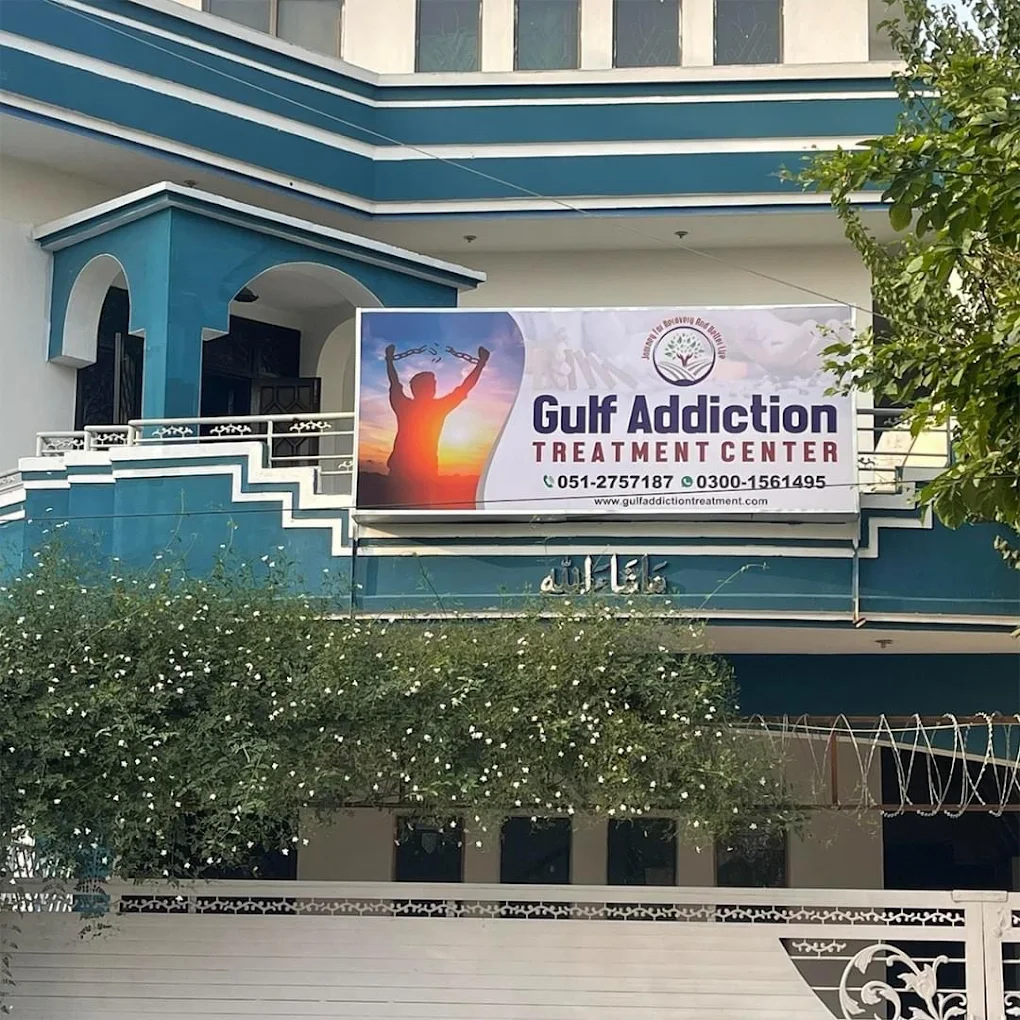
This guide explains questions patients and relatives can bring to that discussion. It is not an individual care plan. Gulf Addiction Treatment Center is in PWD, Islamabad; confirm current services, staffing, fees and the process for clinical reviews directly before deciding on admission.
Start with the needs identified during assessment
Ask the professional to explain the main concerns they have identified and what further information is needed. Relevant health history, previous treatment and the support available at home may all affect the recommendation. The patient should have an opportunity to explain their own priorities rather than receive a plan described only by relatives.
Keep uncertainty visible. An assessment may lead to further review or a recommendation for another service. A responsible discussion does not require every question to be settled immediately. What matters is that the patient understands what is known, what remains uncertain and who will address it.
Distinguish activities from individual goals
A timetable may list appointments, meetings or daily routines. Ask what those activities are intended to address for this person. A goal should be understandable enough for the patient to discuss, rather than a broad statement that could apply to every admission.
Examples of useful planning questions include how a particular difficulty will be discussed, what information is needed before a decision and what practical support may help attendance. The professional should define the appropriate clinical goals; this article does not prescribe them or suggest a standard plan for all patients.
Clarify who is responsible for each part
Ask which professional handles assessment, particular consultations, prescribing where relevant and coordination of the plan. An admissions contact and a treating clinician may have different responsibilities. A family should know the appropriate contact for an invoice question, an appointment change or a clinical concern.
If more than one service is involved, ask how information is shared with the patient’s consent. Do not assume a partnership or handover arrangement exists because both providers describe addiction treatment. Clear responsibilities help prevent practical tasks from being lost between conversations.
Agree how reviews will be arranged
Ask when the plan will next be discussed and who can participate. A review may consider changing needs, practical barriers or further information. It should not be treated as a performance examination in which the patient must promise that every concern has disappeared.
If relatives are involved, clarify the patient’s wishes about information sharing and the purpose of the meeting. Prepare a few specific questions and record agreed actions. Broad instructions such as keep supporting the patient are less useful than knowing which task needs help and when it will be checked.
Ask what happens when the plan changes
A change in needs may affect the proposed service, length of stay, referral or follow-up arrangements. Ask how the change will be explained and what decisions need the patient’s involvement. Do not assume that an original quotation or timetable covers every later recommendation.
Financial changes should also be clear. Request written information about additional charges or altered arrangements before making payment decisions where possible. A clinical recommendation and its payment terms are related questions, but neither should remain vague because the other has already been discussed.
Include practical life outside the facility
Employment, transport, housing and caring responsibilities can affect what a patient can realistically do after discharge. Raise those issues early rather than waiting until a final appointment. Ask how recommendations can be made workable without assuming that a family can provide unlimited time or money.
Discuss language, privacy and other individual preferences directly. Confirm which arrangements can actually be offered. A plan that looks complete on paper still needs to be understood by the patient and connected to their circumstances outside the treatment setting.
Prepare for discharge while the plan is still being reviewed
Ask about records, future appointments and the role of any receiving professional. Distinguish a recommendation from a confirmed booking. Identify what the patient must arrange, what the provider can do and which steps remain outstanding.
Relatives may help with practical tasks if the patient wants that involvement. They should not become substitutes for clinical review or be expected to interpret unclear medicine instructions. Ask the appropriate professional to explain any uncertainty and record the agreed next step.
Know what a plan cannot promise
A written plan can describe proposed care and responsibilities, but it cannot guarantee a recovery outcome or remove every uncertainty. Be cautious about treating a fixed duration, a setting or a confident marketing phrase as evidence that no further support will be needed.
For a Gulf enquiry, ask how assessment, reviews, family contact and continuing care would be discussed for the individual concerned. Leave with a clear explanation of the recommendation and its limits. That provides a more useful basis for a decision than choosing a package whose details remain unexplained.
Frequently asked questions
Should everyone receive the same rehab plan?
A proposed plan should reflect the individual assessment. Ask how the person's needs, preferences and relevant health history affect the recommendation.
What should a treatment-plan discussion explain?
Ask about the proposed services, who is responsible, how the plan will be reviewed, applicable charges and the arrangements for continuing support.
Can goals change during a stay?
Needs and circumstances may change. Ask how reviews work, who participates and how changes will be explained to the patient.
Does a fixed programme length guarantee recovery?
No. A duration is an arrangement to discuss, not an outcome guarantee. Ask why it is proposed and how suitability and progress will be reviewed.
Can relatives receive the written plan?
Discuss patient consent and the provider's information-sharing process. Practical involvement does not automatically establish access to all clinical information.
What if I do not understand part of the plan?
Ask the appropriate professional for a plain-language explanation. Clarify responsibilities and the next step before making assumptions or changing arrangements.
Further information
For a general overview, see NIDA treatment and recovery. This article is planning information, not an individual clinical recommendation.
Ask Gulf about current arrangements in Islamabad
Gulf Addiction Treatment Center is in the PWD area of Islamabad. Contact the centre to confirm current services, appointment arrangements, suitability and charges. Call +92 300 1561495 or send a WhatsApp enquiry. This guide does not confirm an individual clinical plan, a staff qualification or an outcome.
Related Islamabad planning guides
Understanding a Rehab Treatment Plan in Islamabad: Goals, Reviews and Questions Read More »