
A rehab assessment in Islamabad should help you understand what support is appropriate before you commit to admission. For a patient or relative making a first enquiry, the most useful outcome is a clear explanation of needs, options, responsibilities and costs. A booking or a tour of a facility cannot replace that conversation.
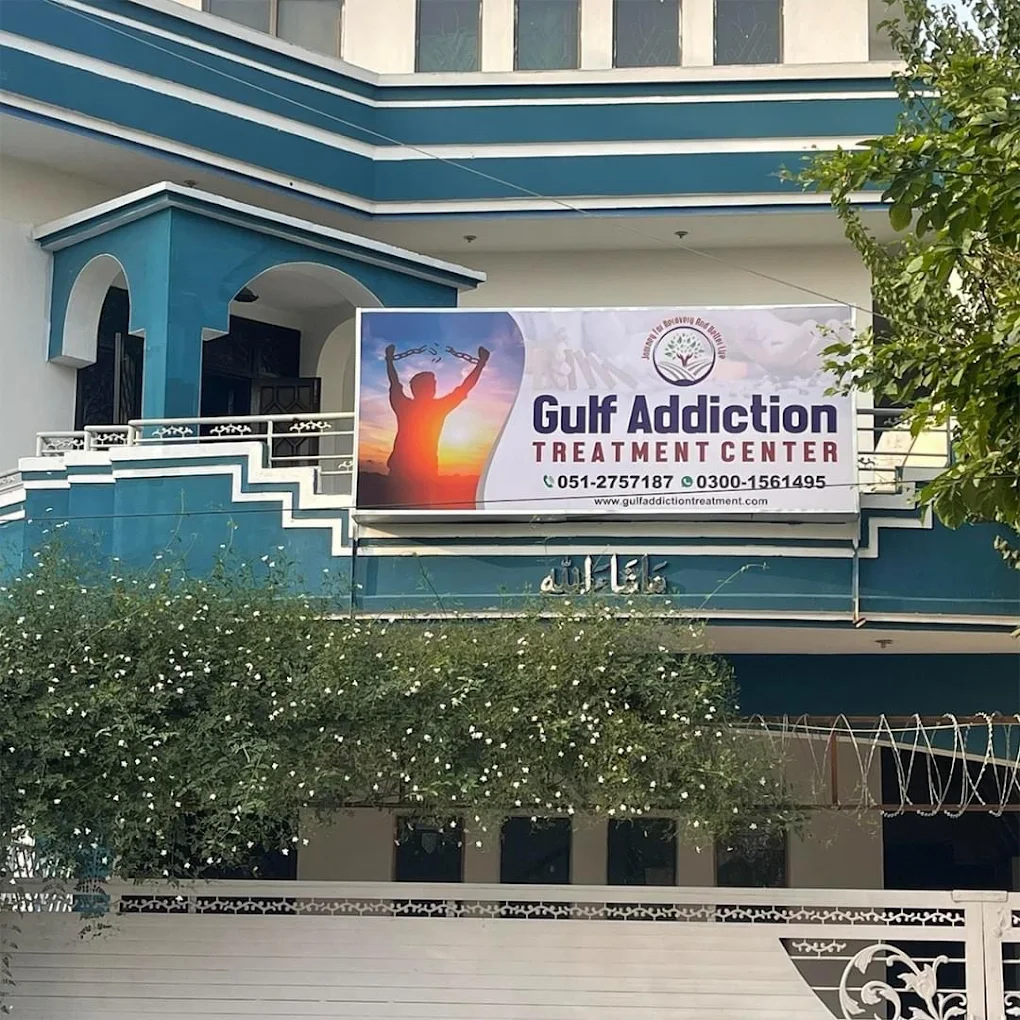
This guide is for adults and families preparing to discuss addiction treatment with a professional. It explains what information to bring, questions to ask and decisions to clarify. Gulf Addiction Treatment Center is in the PWD area of Islamabad; contact the centre to confirm appointment arrangements, current staff and the services available for the individual concerned.
What is the purpose of a rehab assessment?
An assessment explores the person’s current concerns, relevant health history, substance use and previous support. It should help a qualified professional consider suitable next steps. Depending on the circumstances, the recommendation may involve further medical review, outpatient appointments, residential care or a different service. This article cannot decide which option a particular person needs.
Ask who will conduct the appointment and what their professional role is. Clarify whether the first conversation is an admissions enquiry or a clinical assessment. Both can be useful, but they answer different questions. An admissions contact can explain arrangements; clinical decisions need an appropriately qualified professional with enough information about the person.
What to prepare before your first appointment
You do not need a polished account or a family diagnosis. Prepare a short, factual summary, marking anything you do not know. Where possible, let the patient describe their concerns in their own words. A relative can add observations without speaking over the person or presenting assumptions as established facts.
- Current concerns: what has changed, when it changed and what help is being requested.
- Known substance use, prescribed medicines and any uncertainty about that information.
- Relevant medical or mental health care, recent records and current professional contacts.
- Previous treatment, experiences of stopping and support that was helpful or difficult.
- Practical responsibilities such as employment, caring for children, housing or transport.
- Questions about costs, privacy, family contact and the proposed next steps.
Ask the centre which documents it needs before sending sensitive information. Verify the recipient and communication channel. Do not post a complete medical history into a large family group simply because several relatives are helping. A current medicine list and relevant records are more useful than an unverified explanation copied from an internet search.
Questions about substance use and immediate health needs
Describe the actual situation rather than choosing a treatment package by a drug name. A useful discussion includes the pattern of use, previous treatment and relevant physical or mental health concerns. Ask what additional information or review is needed before a recommendation can be made. A responsible service should explain when a different setting is more appropriate.
Do not make abrupt changes to drinking or prescribed medicines merely to prepare for an appointment. The NHS alcohol support guidance warns that suddenly stopping alcohol can be dangerous when a person is dependent. Severe symptoms need urgent medical help; waiting for a rehab enquiry should not delay appropriate emergency care.
If you want background before the appointment, read the existing drug addiction treatment guide for Islamabad. Use it to prepare questions rather than to diagnose the person or decide on withdrawal management without assessment.
Ask why a particular level of care is being proposed
If residential admission is suggested, ask why it fits the person’s assessed needs. What support would be available during the day and overnight? Who reviews the plan? What happens if the person’s health changes? Ask which needs the service cannot manage and how a referral or hospital transfer would be arranged.
If outpatient support is proposed, ask about appointment arrangements, the responsibilities of the patient and what to do between visits if concerns increase. Do not assume that a residential stay is always better, or that counselling alone is suitable for every situation. The important point is the reason for the recommendation and how it will be reviewed.
Where mental health concerns are part of the discussion, ask how appropriate professionals are involved. The centre’s psychiatric OPD information can help you identify questions about consultations, but it does not establish which service a particular patient will receive.
Family involvement, privacy and the patient’s own voice
Relatives often organise transport, gather documents or help with payments. Those practical roles should be discussed alongside the patient’s wishes about involvement. Ask whether part of the appointment can take place privately and how permission to share information is recorded. Agree which relative should receive practical updates if the patient wants that support.
Discuss language preferences directly with the person. A patient may prefer one language for ordinary conversation and another for sensitive clinical discussions. Confirm the staff or interpretation arrangements actually available rather than assuming them. Ask for an explanation in plain language and time to check understanding before agreeing to a plan.
If relatives disagree about admission, avoid presenting an overseas trip, a family decision or a payment as the answer to every concern. The professional needs to assess the person, and consent and decision-making requirements need appropriate attention. The aim is an informed discussion that gives the patient space to ask questions.
How to discuss assessment fees and treatment charges
Ask whether the assessment has a fee and what it covers. If further treatment is proposed, request a written quotation for the services being discussed. Separate accommodation, appointments, medicines, tests and other possible charges. A price described as a package is useful only when its contents and limits are clear.
Confirm how charges change if the recommended service changes, the admission is postponed or the patient leaves earlier than expected. Ask about payment receipts and the applicable cancellation or refund terms before paying. This guide does not publish an assessment fee or a treatment rate because those need current confirmation directly from the provider.
For a fuller comparison checklist, see rehab cost considerations in Islamabad and Rawalpindi. Bring that checklist to the discussion so the family can compare written information instead of relying on headline prices.
Visiting the PWD Islamabad facility
Gulf Addiction Treatment Center is listed at Building 695, Block D, National Police Foundation Housing Society, Street 8/1, near Main PWD Road, Islamabad. Before travelling, confirm the entrance, appointment time and who you are meeting. Ask whether the visit is an initial enquiry, a clinical appointment or a facility tour so expectations are clear.
For patients and relatives travelling from Islamabad or Rawalpindi, allow time for the conversation and organise return transport where needed. Do not assume an assessment will end in same-day admission. If a stay is being considered, ask which arrangements should be made only after suitability and availability are confirmed.
What to leave the appointment with
Before ending the conversation, ask for a clear account of the next step. That may be another appointment, further information, a referral or a proposed admission. Clarify who will contact whom, what the patient needs to prepare and what costs apply. Ask which concerns require prompt medical attention rather than waiting for the next planned appointment.
If admission is recommended, use the rehab admission checklist for Islamabad families to prepare the practical arrangements. Keep that preparation separate from the clinical assessment: packing a bag or paying a deposit does not establish that the proposed care is suitable.
It is reasonable to ask for clarification or time to compare information. A useful first assessment leaves the patient and family better informed about the recommendation, its limits and the available alternatives. A promise of guaranteed recovery is not a substitute for those details.
Frequently asked questions
What should I bring to a rehab assessment in Islamabad?
Bring a current medicine list, relevant medical records, information about previous treatment and questions you want answered. If identification or other documents are required, confirm that with the centre before attending.
Does an assessment mean I must be admitted that day?
No. An assessment helps establish needs and suitable next steps. Ask whether residential care, outpatient support or another service is appropriate, and discuss the proposed plan before making a booking.
Can I attend the first appointment with a relative?
Ask the centre about arrangements and discuss who the patient wants involved. The person being assessed should also have an opportunity to speak privately with the professional.
Can the centre quote a price before assessment?
It may provide general information, but the relevant charges depend on the proposed services and assessed needs. Request a written explanation of what is included, excluded and charged separately.
Should someone stop alcohol suddenly before an appointment?
A person who may be alcohol dependent should seek medical advice before stopping or sharply reducing drinking. An appointment booking is not a withdrawal-management plan.
Where is Gulf Addiction Treatment Center in Islamabad?
The centre is at Building 695, Block D, National Police Foundation Housing Society, Street 8/1, near Main PWD Road, Islamabad. Confirm directions and appointment arrangements directly before travelling.
Ask about an assessment in Islamabad
To discuss current appointment arrangements, contact Gulf Addiction Treatment Center. Call +92 300 1561495 or send a WhatsApp enquiry. Confirm availability, the professional you will meet and any assessment fee before travelling.