
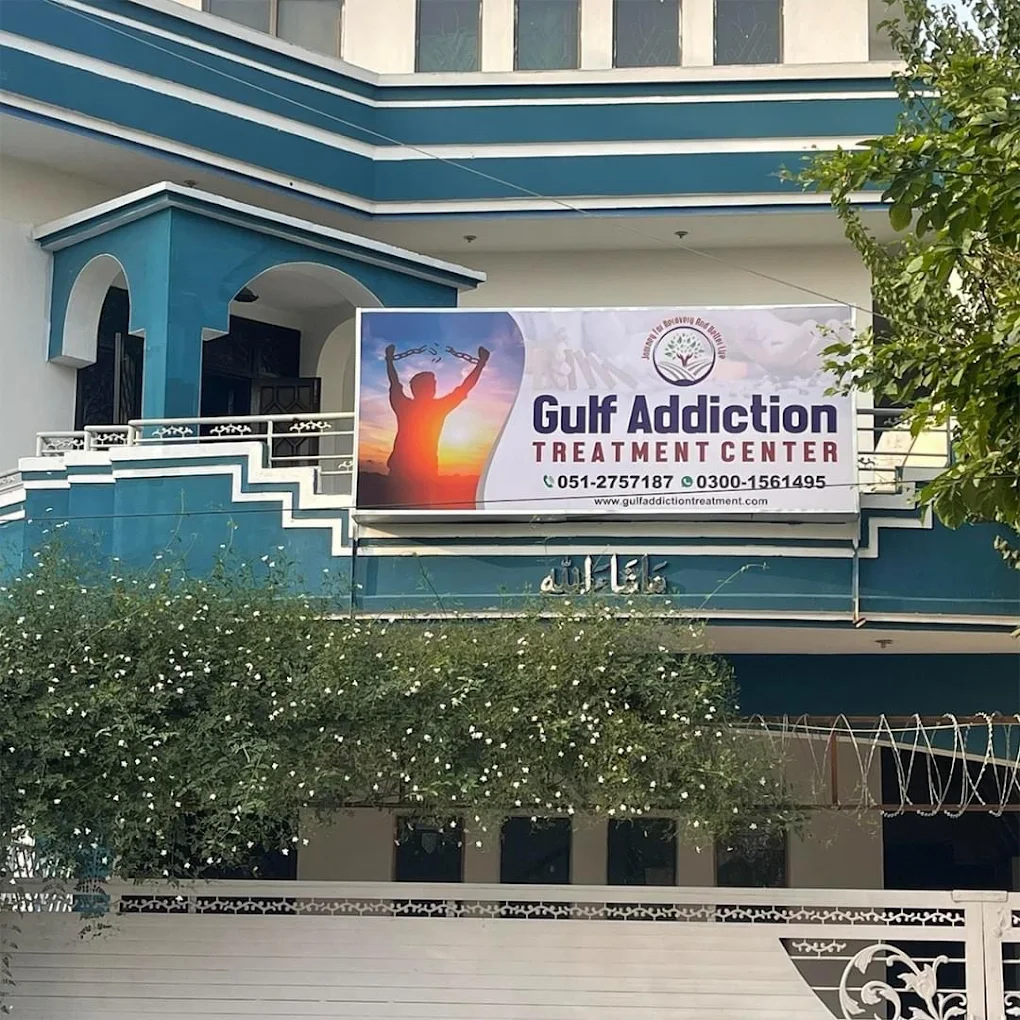
Psychiatric appointment preparation in Islamabad starts with a clear account of the concerns you want to discuss. During addiction care, a person may also have questions about mood, sleep, anxiety, existing diagnoses or medicines. Those concerns need an individual assessment rather than an internet label or a family conclusion.
This guide helps patients and relatives organise useful information. It does not diagnose a condition or recommend a medicine. If you are enquiring at Gulf Addiction Treatment Center in PWD, Islamabad, confirm current appointment availability, the clinician’s role, what records are needed and any fee directly with the centre.
Write down the main concerns in your own words
Before the appointment, identify what has been difficult and what you hope to understand. Describe changes in daily life, when they began and what has already been tried. You do not need to present a diagnosis. A straightforward explanation of your experience is more useful than adopting terminology you are unsure about.
If a relative is helping, distinguish their observations from your own account. Both may be relevant, but differences should be explained rather than hidden. Ask for an opportunity to speak privately if that would help you discuss sensitive matters more openly.
Prepare an accurate medicine and treatment history
Bring current medicine information and relevant records from previous care. Explain any uncertainty about names, instructions or changes. Ask the appropriate professional to clarify a confusing list rather than trying to reconstruct it from memory during a short appointment.
Do not stop or alter prescribed treatment merely to prepare for the consultation. Questions about side effects, missed doses or possible interactions need an appropriate prescriber or pharmacist. This article deliberately does not give dosing or medicine-change instructions.
Discuss substance use honestly and without guessing
Explain what substances or alcohol are involved, what is known about the pattern and where information is incomplete. Previous attempts to stop and earlier treatment can also be relevant. Avoid minimising concerns because you fear a particular recommendation, or exaggerating them to obtain a particular type of care.
A family member may not know every detail. It is reasonable to say that information is uncertain. The assessment needs space for direct conversation with the patient, and further information may be required before a conclusion can be reached.
Make questions about the proposed plan specific
Ask what the clinician understands so far, what remains uncertain and what the next step is. If further assessment or a different service is recommended, ask why. A useful explanation should help you understand the reasoning rather than leave you with only a label or a list of instructions.
If medicines or follow-up appointments are discussed, ask who will review them and how questions should be raised. Confirm what is included in any proposed charges. Do not assume that all psychiatric consultations or subsequent reviews are automatically part of a residential package.
Agree how relatives will participate
Relatives can help by bringing records, describing observed changes or arranging transport. Those practical contributions do not automatically require access to every clinical discussion. Ask how the patient consents to information sharing and what family involvement is appropriate for the circumstances.
Prepare a small number of useful questions rather than organising a confrontation in the consulting room. The patient should not have to manage a public argument while trying to explain private concerns. If family views differ, ask how the relevant information can be shared constructively.
Check language and accessibility needs before attending
Tell the service about language or other access needs when arranging the appointment. Ask what can actually be provided and whether anything needs advance planning. Do not assume an admissions contact’s language skills establish the language of every clinical consultation.
During the conversation, ask for plain-language explanations and time to check understanding. If written information is provided, make sure you know what it is for. A relative may assist if wanted, but should not become the only person who understands the agreed plan.
Leave with a clear follow-up arrangement
Before leaving, clarify any next appointment, records requested and the appropriate contact for different questions. Distinguish a recommended review from a booking that has actually been made. Write down what you need to arrange and what the service will do.
If you are uncertain about something, ask for clarification rather than assuming. Keep current documents together so they can be used at a later appointment. Where care involves more than one professional, ask how relevant information can be shared with your consent.
Do not use a routine appointment as an emergency plan
A scheduled consultation is not a substitute for urgent medical help when someone is seriously unwell. Ask about the appropriate pathway for immediate concerns and use suitable local services when needed. An enquiry or booking should not delay necessary assessment elsewhere.
For non-urgent planning, contact Gulf and explain the purpose of the appointment. Confirm the professional you will meet, the information to bring and the arrangements for privacy and follow-up. Preparation should help the conversation reflect the individual rather than a standard treatment assumption.
Frequently asked questions
What should I prepare for a psychiatric appointment?
Bring relevant records, a current medicine list and a short account of your concerns, previous care and questions. Mark uncertain details rather than guessing.
Should I change medicines before the appointment?
Discuss any change with the appropriate prescriber. Do not alter treatment simply to prepare for a consultation or because a family member recommends it.
Can relatives explain what they have noticed?
Ask about the arrangements and the patient's preferences. Relatives may provide observations, while the patient should also have an opportunity for a private conversation.
Does anxiety during addiction care prove a diagnosis?
No. Symptoms need assessment in context. An article or family observation cannot establish the diagnosis or the treatment needed.
Is every psychiatric consultation included in a rehab quote?
Do not assume so. Ask which appointments are included, who provides them and what separate charges may apply.
How do I confirm an appointment at Gulf?
Contact the centre directly to ask about current clinician availability, the type of appointment, required information and any fee.
Further information
For general medicine information, see NHS medicines. Questions about an individual prescription should go to an appropriate prescriber or pharmacist.
Ask Gulf about current arrangements in Islamabad
Gulf Addiction Treatment Center is in the PWD area of Islamabad. Contact the centre to confirm current services, appointment arrangements, suitability and charges. Call +92 300 1561495 or send a WhatsApp enquiry. This guide does not confirm an individual clinical plan, a staff qualification or an outcome.