
Rehab discharge records in Islamabad are useful when they help a patient understand the next step and communicate with the professionals who will continue their care. The final day should not be the first time a family asks about appointments, documents or medicine information. Begin the discussion early enough to clarify what can be provided and what still needs arranging.
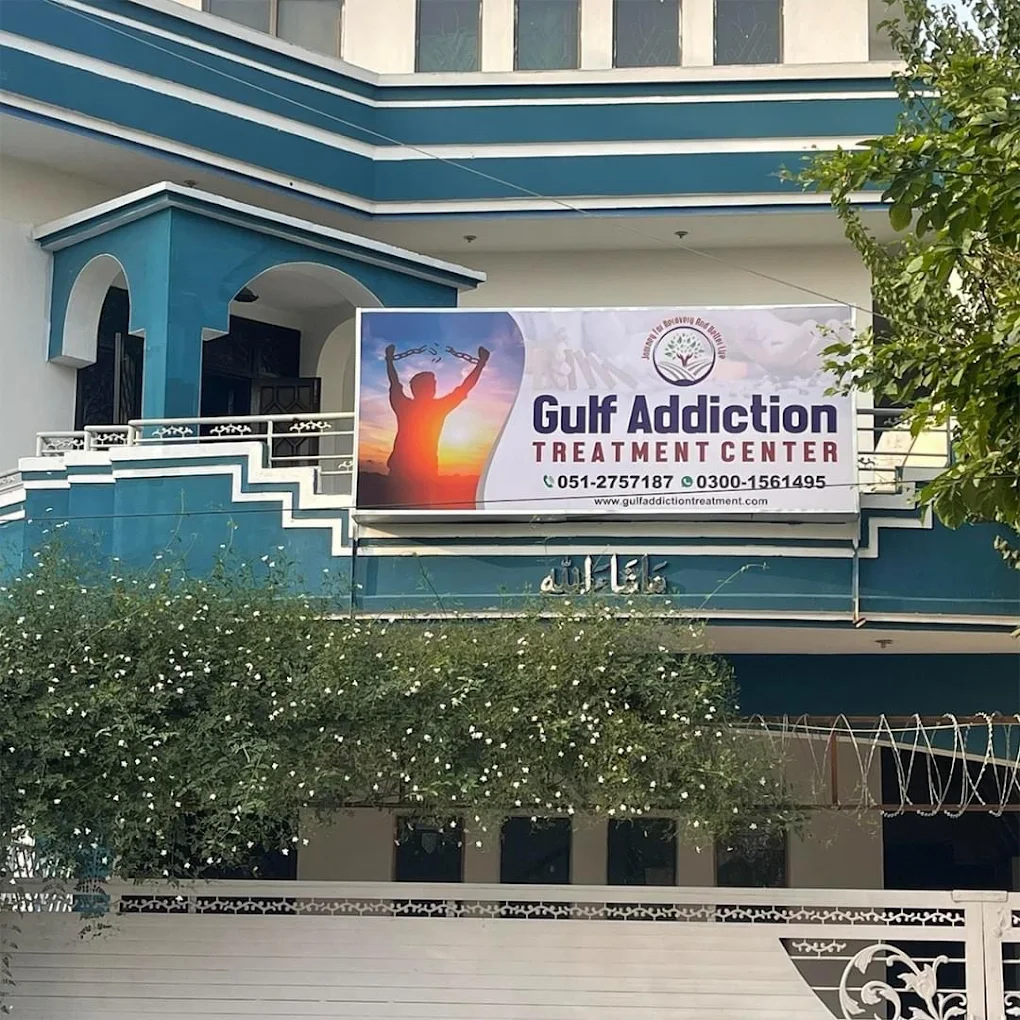
This guide is a handover checklist, not a claim that every provider produces the same documents. Ask Gulf Addiction Treatment Center directly about its current process at the PWD Islamabad facility. The patient’s wishes and consent should be included in decisions about who receives records or practical updates.
Ask which documents are relevant to continuing care
A general account of a stay, a discharge summary and a current medicine list serve different purposes. Ask which information is relevant to the next professional appointment and who can prepare it. Do not assume that a letter confirming attendance is sufficient for a clinician who needs details about recent care.
Explain the intended use. If the patient plans to see a particular service, ask that service what information it requires. This may avoid unnecessary disclosure or a later request for missing details. A document should be understandable and accurate rather than a large collection of material with no clear purpose.
Confirm medicine information with the appropriate professional
Where medicines are involved, ask for current written information and an explanation of who is responsible for future review. Make sure the patient understands the instructions and knows how to raise a question. This article does not provide medicine advice or decide what any individual should take.
If different documents appear to conflict, ask for clarification before relying on them. Do not choose one list by guessing which is newer or combine instructions from several messages. Any change or uncertainty should be discussed with an appropriate prescriber or pharmacist.
Distinguish a recommendation from an arranged appointment
A discharge note may recommend follow-up without creating a booking. Ask whether a referral has been sent, whether it has been accepted and what the patient needs to do next. Record the receiving service, contact route, date and any documents to bring.
If an appointment is not yet available, clarify how the patient should obtain appropriate advice in the meantime. Do not assume an overseas service, a family contact or a public phone number can provide every kind of continuing clinical support. Responsibilities need a clear explanation.
Plan information sharing with consent
Ask who the patient agrees may receive a copy of the relevant information. A relative organising transport may need appointment details without the contents of private therapy conversations. Discuss these differences instead of assuming that one consent covers all information and all recipients indefinitely.
Verify the recipient before sending records. Keep sensitive documents out of large family groups and avoid forwarding them through several informal contacts. Ask the provider how copies, corrections and access requests are handled. The aim is a usable handover that respects privacy.
Make the practical discharge plan readable
A short page listing the next steps can help separate practical arrangements from detailed clinical records. Include appointments, who to contact for which question and any tasks the patient has agreed to prepare. Ask for explanations in language the patient understands.
A relative may help organise the information if the patient wants that assistance. They should not become the only person who understands the plan. Check that the patient can describe the next step and knows where to find the relevant contact details after returning home.
Consider the first journey and first week home
Confirm transport, access to necessary belongings and the arrangements at home. A family travelling within Islamabad or from Rawalpindi should check timing rather than assume every administrative task can be finished immediately. Ask which documents are ready and which may follow later.
Plan the first week as well as the day of discharge. Include work or caring responsibilities, appointments and practical support the patient wants. Avoid replacing a realistic timetable with a general promise that relatives will be available for everything at any time.
Know how to raise an unanswered question
If a record contains something the patient does not understand, ask the provider about the appropriate process for clarification. Keep the question specific: identify the document, the unclear point and the reason it matters. A planned follow-up may be more useful than gathering several contradictory interpretations from relatives.
Also ask what to do when a concern is urgent. A routine records request is not an emergency-care pathway. If someone becomes seriously unwell, obtain appropriate local medical help rather than waiting for paperwork or a scheduled response from an admissions contact.
Use the handover as part of continuing support
Discharge does not mean every practical issue has been resolved. Records, appointments and family arrangements may need review as circumstances change. Ask who is responsible for each outstanding task and when it will be checked. Keep the patient involved in decisions about their continuing care.
When discussing admission at Gulf, ask about discharge planning from the beginning. A clear explanation of the handover process can help families understand what they will need to arrange themselves. Confirm current arrangements directly; this article does not promise a particular document format or external clinical partnership.
Frequently asked questions
What should a discharge discussion cover?
Ask about the next appointments, relevant records, medicine information where applicable, practical responsibilities and the route for raising new concerns.
Can a relative collect every document?
Ask the provider how patient consent and access to records are handled. Do not assume a family relationship or payment authorises unrestricted access.
Does a referral guarantee a follow-up appointment?
No. Confirm the receiving service's process, whether information has been accepted and whether an appointment has actually been arranged.
What if a medicine list is unclear?
Ask the appropriate prescriber or pharmacist to clarify it. Do not guess, alter instructions or rely on a list that may be outdated.
Should records be posted in a family messaging group?
Use a verified, appropriate channel and share only with permission. Sensitive documents should not be circulated widely for convenience.
What should be checked before leaving the facility?
Confirm the next steps, contact details, documents that are ready and any outstanding information. Ask who will resolve an unanswered question and when.
Ask Gulf about current arrangements in Islamabad
Gulf Addiction Treatment Center is in the PWD area of Islamabad. Contact the centre to confirm current services, appointment arrangements, suitability and charges. Call +92 300 1561495 or send a WhatsApp enquiry. This guide does not confirm an individual clinical plan, a staff qualification or an outcome.