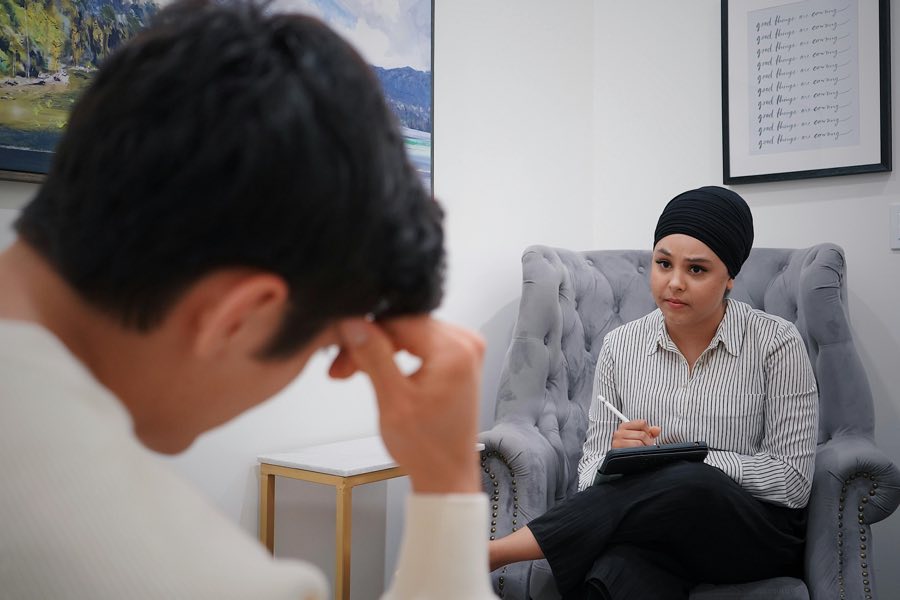

Supporting a spouse during rehab in Islamabad can involve emotional strain as well as practical decisions. You may be handling household responsibilities, worrying about treatment and deciding what information to share with relatives. A useful plan recognises those pressures without making one partner responsible for controlling the other’s recovery.
This guide offers questions for a practical conversation. It does not replace individual clinical advice, relationship support or help with an unsafe situation. If you are discussing care at Gulf Addiction Treatment Center in PWD, Islamabad, confirm the family support arrangements actually available and how the patient’s preferences are included.
Ask what support your partner wants
Begin with specific questions: would help with transport, a document or a household task be useful? Do they want you involved in a particular appointment? Avoid assuming that organising admission gives you a role in every clinical conversation. Practical help and access to private information are different matters.
Preferences may change during a stay. Ask how they can be reviewed with the service rather than treating the first agreement as permanent. A partner may value a planned call while still wanting private discussion with a professional. Support can include respecting that distinction.
Keep household arrangements concrete
Make a list of responsibilities that need attention: bills, children, work, appointments or other commitments. Agree who will handle each item and what information is required. Do not promise to fix every financial or family problem in exchange for an agreement to enter treatment.
If relatives offer help, clarify the task and its limits. Someone might assist with a journey or a school collection without needing a detailed treatment history. Ask before sharing sensitive information, and avoid turning necessary practical support into an expectation that extended family can supervise the patient indefinitely.
Use contact time for useful conversation
Ask the centre about current contact and visiting arrangements before making assumptions. During a call, listening may be more useful than asking for repeated promises. Discuss one practical issue at a time and leave room for ordinary conversation if that is what your partner wants.
It is reasonable to express concern about a specific event, but distinguish facts from conclusions. Explain what happened and why it matters rather than assigning a diagnosis or predicting failure. If communication repeatedly becomes difficult, ask whether an appropriate professional can help plan a more constructive discussion.
Set boundaries that you can maintain
A boundary describes your own actions and limits. For example, you may be able to help with a defined expense but not accept unlimited financial requests. Explain the limit clearly and calmly. Avoid threats or conditions that depend on controlling another person’s thoughts, symptoms or future behaviour.
Boundaries may need outside advice when money, housing or safety is involved. This article does not decide relationship, financial or legal questions for a particular household. Seek suitable help for those circumstances. A treatment plan should not require a partner to tolerate threats, violence or serious harm.
Protect your own access to support
Supporting someone does not remove your own needs for rest, trusted conversation and practical help. Consider what support you can seek without exposing information the patient has not agreed to share. A confidential conversation with an appropriate professional can help you clarify your concerns and limits.
Do not measure your contribution by whether your partner appears to improve on a particular day. You cannot provide clinical care simply by trying harder. Ask which issues belong with the treating team and which practical tasks you can reasonably assist with. This keeps responsibility clearer for everyone involved.
Discuss children and other dependants thoughtfully
If children or other dependants are affected, focus on practical stability and appropriate support. Agree who manages their routines and how questions will be handled. Avoid involving them in arguments, making them messengers or expecting them to monitor a parent’s health.
The level of explanation depends on the situation and may benefit from professional guidance. This guide cannot determine what to tell an individual child. Ask for appropriate advice rather than assuming that sharing every clinical detail or hiding every change will always be helpful.
Do not make discharge a test of the relationship
Before discharge, discuss the actual arrangements for appointments, medicines where relevant, responsibilities at home and contact with supportive people. A promise that everything will be different is not a substitute for those practical details. Keep review points so arrangements can change with assessed needs.
Ask how new concerns should be raised after the patient returns home. If there is a difficulty, seek appropriate advice rather than treating it as proof that either partner has failed. Continuing support may need adjustment, and the patient’s own participation remains important.
Questions to ask Gulf before making plans
Ask who handles family enquiries, what communication can be offered and how consent is recorded. Confirm whether any proposed family meeting is available and what its purpose would be. This article does not promise a particular counselling format or frequency of updates at the Islamabad facility.
A useful spouse-support plan is specific about practical help, honest about limits and respectful of private clinical care. It should allow both partners to seek appropriate support. Contact the centre for current arrangements rather than relying on assumptions made from an article or a previous family’s experience.
Frequently asked questions
How can I support my spouse without taking over treatment?
Ask what practical support is wanted, respect private clinical conversations and agree your own limits. Treatment decisions need the patient's participation and appropriate professional input.
Should I attend every appointment?
Not necessarily. Discuss what the patient wants and what the professional recommends. A person should have an opportunity for private clinical discussion.
Can I promise to manage all responsibilities at home?
Keep support realistic. Agree specific tasks and review points rather than accepting an open-ended responsibility that may not be sustainable.
What if conversations become arguments?
Pause when appropriate and seek guidance about a more useful way to communicate. Immediate safety concerns need appropriate local help, not a forced family discussion.
Is couples therapy confirmed at Gulf?
This article does not confirm a couples therapy service. Ask the centre about current family support options and whether they fit the circumstances.
How should we plan for discharge?
Discuss follow-up, home responsibilities, information sharing and practical support before discharge. Agree which questions need an appropriate professional rather than relying on private promises.
Ask Gulf about current arrangements in Islamabad
Gulf Addiction Treatment Center is in the PWD area of Islamabad. Contact the centre to confirm current services, appointment arrangements, suitability and charges. Call +92 300 1561495 or send a WhatsApp enquiry. This guide does not confirm an individual clinical plan, a staff qualification or an outcome.