
Family updates during rehab in Islamabad can help relatives understand practical next steps without turning treatment into a constant flow of messages. Before admission, agree what the patient wants shared, who will receive updates and how questions should be raised. Clear expectations can reduce avoidable conflict when relatives are worried or several people are helping.
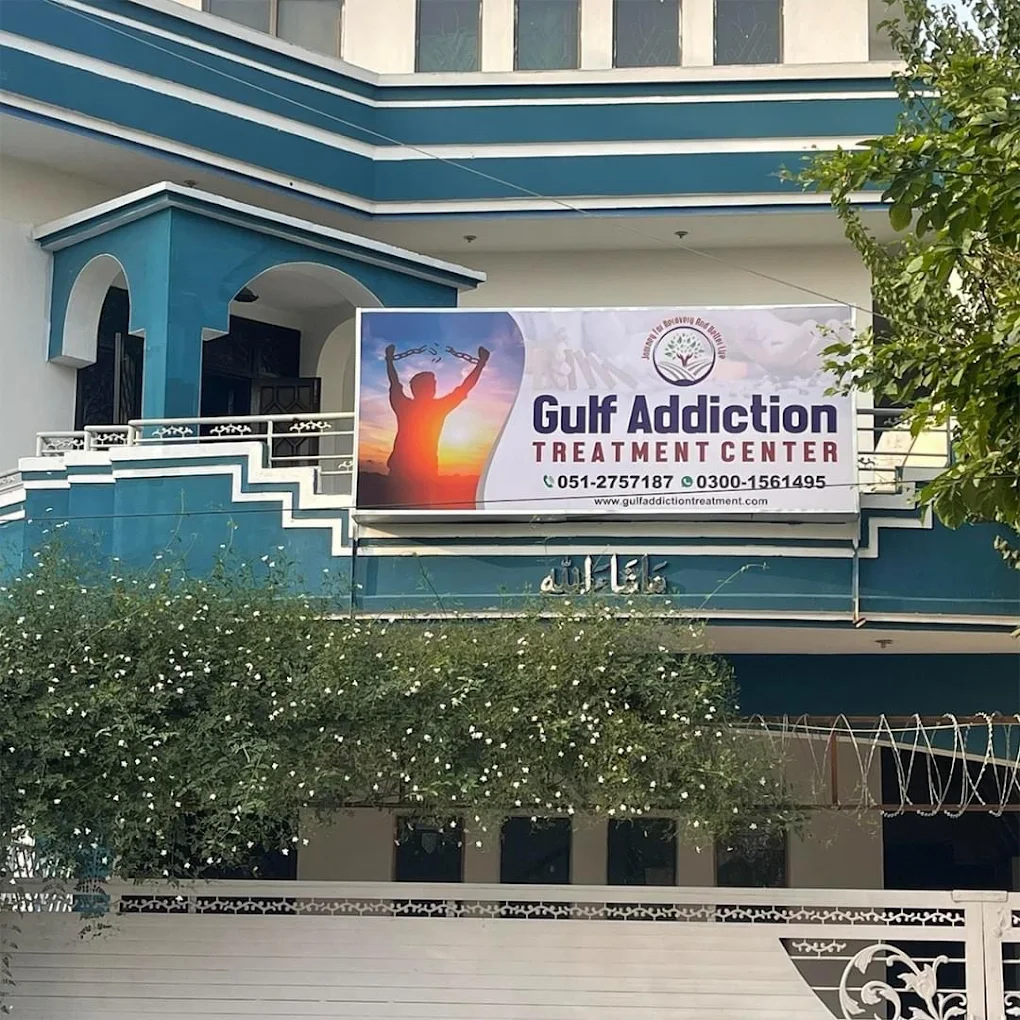
This guide concerns communication, not a guarantee of a particular visiting or reporting service. Gulf Addiction Treatment Center is in PWD, Islamabad. Ask the centre directly about its current arrangements, and make the patient’s preferences part of the discussion rather than assuming every relative needs the same information.
Separate practical information from private clinical conversations
An arrival time, an invoice query and a therapy discussion are different kinds of information. A family member may be helping with transport without needing the contents of a private appointment. Ask the provider to explain how it distinguishes practical updates from clinical information and how permission to share details is recorded.
Discuss the limits of confidentiality as well. Avoid promises that everything will always remain secret or that every detail must be reported to the family. The service needs to explain its own process and relevant circumstances. Relatives should leave the admission discussion knowing which questions belong with the admissions contact and which require a clinical conversation.
Choose a contact person with the patient’s agreement
When several relatives call independently, staff may receive conflicting accounts or the same question repeatedly. Consider one main contact and a backup, if the patient agrees. Record their names, preferred contact route and the scope of updates they may receive. This is a practical arrangement, not permission for that person to direct every treatment decision.
The contact person can keep a short record of agreed tasks such as arranging a document or confirming a visit. They should not become a distributor of sensitive information to extended relatives. Ask the patient what can be shared more widely, and avoid putting clinical histories, identification or medicine lists into large messaging groups for convenience.
Ask what an update actually covers
Before expecting a daily report, ask when updates are offered and who gives them. A useful discussion might cover the next review, practical arrangements or an agreed family meeting. The appropriate content depends on the patient’s wishes and circumstances; it should not be reduced to a score that claims to measure recovery from one day to the next.
Ask what happens if a contact is delayed, the usual staff member is unavailable or the family has an urgent concern. Keep the correct contact details somewhere easy to find. Do not assume that a social-media account, a public review page or an unrelated staff member is the right route for a private clinical question.
Make calls and visits supportive rather than investigative
Ask the patient what makes contact helpful. Some people want ordinary conversation about home; others want to discuss practical worries that need attention. Begin with listening rather than using the call to request promises, repeat accusations or gather material for a family argument. A conversation can acknowledge difficulties without demanding an immediate answer to every concern.
Visits also need planning. Confirm the service’s arrangements before travelling from another part of Islamabad or Rawalpindi, and ask about anything that needs advance agreement. This article does not establish unrestricted visiting hours. Avoid bringing unexpected visitors or using a scheduled visit to organise a confrontation that the patient has not agreed to.
Set boundaries around money and responsibilities
A family may need to discuss bills, childcare, employment or other responsibilities during a stay. Keep those decisions specific: who pays a particular bill, what information is needed and when the arrangement will be reviewed. Broad statements such as we will fix everything can create expectations that relatives cannot sustain.
Reasonable boundaries are different from punishment. Relatives can explain what help they can offer without threats or public humiliation. If a disagreement affects treatment or safety, ask an appropriate professional how to approach it. Do not make access to basic communication conditional on a promise of a guaranteed outcome.
Respect preferences about language and sensitive information
Ask which language the patient prefers for clinical discussions and what support is actually available. A relative who interprets an admissions call may not be the appropriate person to interpret therapy. Confirm how the service checks understanding and protects privacy when language support is involved.
Cultural or religious preferences should be discussed with the individual rather than inferred from their surname or family background. Some people want wider family involvement; others prefer a smaller support circle. Ask how these preferences can be reviewed during treatment, especially if the original arrangement becomes uncomfortable or unhelpful.
Use a short agenda for family meetings
Prepare two or three questions before a planned meeting. For example: what practical task needs family help, what should happen before discharge, and when will the next review take place? Distinguish an observed concern from an assumption about its cause. Allow the patient and professional space to explain their perspective.
Finish by recording agreed actions and who is responsible for them. Avoid leaving with a long list of vague promises. If there are unresolved questions, ask how and when they can be addressed. A planned follow-up discussion is often more useful than continuing a difficult meeting until everyone is exhausted.
Review the communication plan before discharge
After discharge, the patient’s needs and family roles may change. Discuss what support is wanted at home, which information can be shared with a receiving professional and how relatives should raise new concerns. A communication plan should not assume that every arrangement during a residential stay will continue indefinitely.
For a first enquiry, call Gulf to confirm the current process at the Islamabad facility. Ask about consent, family contact, visiting arrangements and the appropriate route for concerns. Written expectations give relatives a clearer role while allowing the patient to participate in decisions about their own information and care.
Frequently asked questions
Can a family ask for daily clinical updates?
Ask what updates the service can provide, when they are available and what the patient has agreed may be shared. Daily detailed updates should not be assumed.
Does paying for rehab give a relative access to every discussion?
Payment and clinical information-sharing are separate matters. Ask the provider to explain its consent process and the limits of confidentiality.
Who should be the family contact?
Choose a person the patient agrees can receive the relevant updates. Clarify how that contact shares practical information with others without circulating private clinical details.
Can the patient change who receives updates?
Ask how preferences can be reviewed and changed. The centre should explain its process and any circumstances that affect information sharing.
What should a relative do if a scheduled update is missed?
Use the agreed contact route and explain the concern calmly. Ask how routine delays and urgent concerns are handled rather than repeatedly contacting unrelated staff.
Are family visits automatically available?
No arrangement is confirmed by this article. Ask Gulf about current visiting rules, suitability and appointment times before travelling to the PWD facility.
Ask Gulf about current arrangements in Islamabad
Gulf Addiction Treatment Center is in the PWD area of Islamabad. Contact the centre to confirm current services, appointment arrangements, suitability and charges. Call +92 300 1561495 or send a WhatsApp enquiry. This guide does not confirm an individual clinical plan, a staff qualification or an outcome.

