
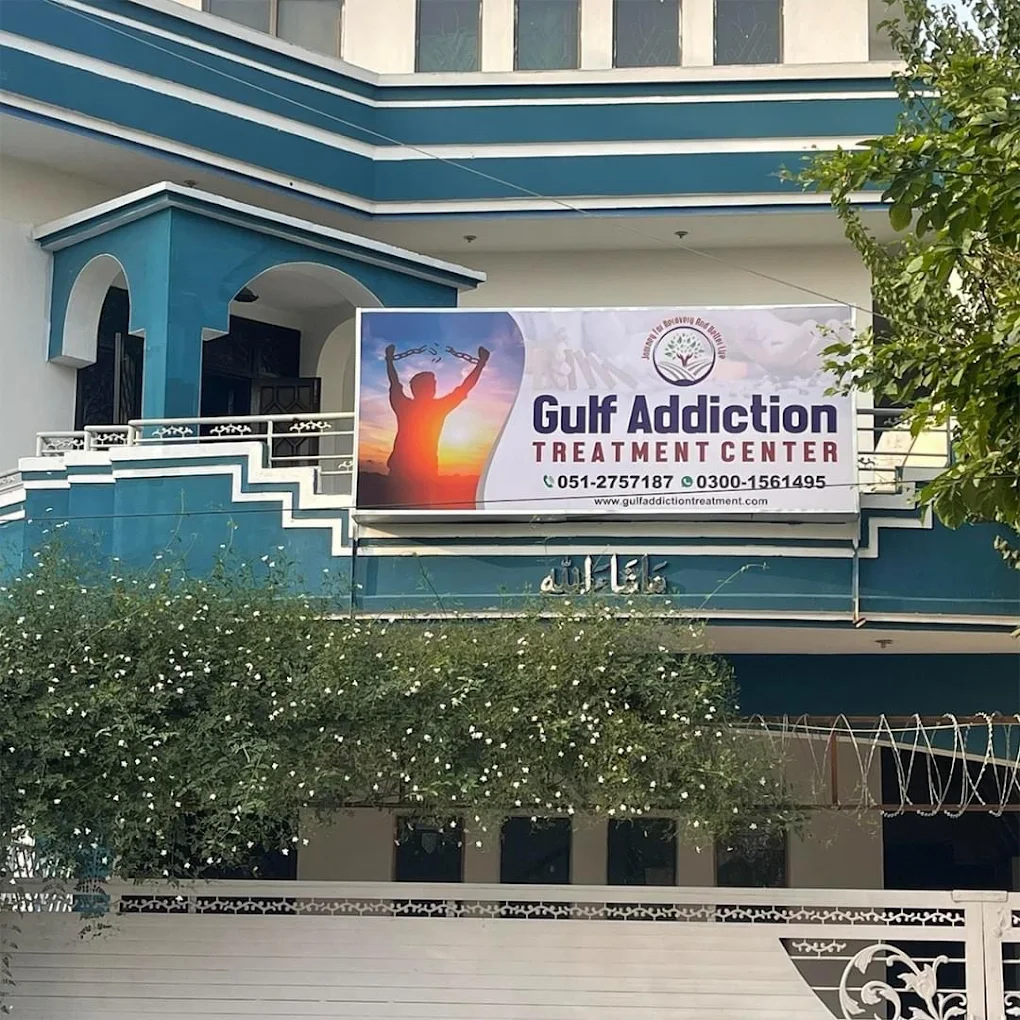
A rehab facility visit in PWD Islamabad can help a family ask practical questions before considering admission. The most useful visit explains how care is organised, what information is needed and which arrangements require further assessment. Attractive rooms or a friendly welcome do not answer those questions on their own.
Gulf Addiction Treatment Center is listed at Building 695, Block D, National Police Foundation Housing Society, Street 8/1, near Main PWD Road, Islamabad. Contact the centre to confirm directions, the appointment time and who you will meet. This checklist is a preparation guide, not a rating or certification of a facility.
Agree the purpose of the appointment
Ask whether you are arranging a general enquiry, a facility tour or a clinical appointment. If the patient is expected to attend, clarify what information is needed and whether there is a fee. A planned conversation is easier when everyone knows which questions the person meeting you is qualified to answer.
Keep enough time for the discussion and arrange practical transport. Families travelling from another part of Islamabad or Rawalpindi should not assume a visit will end in same-day admission. Confirm suitability and availability before making arrangements that depend on a stay being accepted.
Ask about the proposed care, not care in the abstract
A general list of services does not establish what a particular patient would receive. Describe the enquiry accurately and ask what assessment is needed before a plan can be suggested. If staff explain a routine programme, ask how individual needs change that routine and which needs require a different service.
Do not request a guarantee based on a brief conversation. Ask who makes clinical decisions, how the plan is reviewed and what happens if the person’s needs change. A clear explanation of limits is more useful than a claim that every difficulty can be managed in the same setting.
Understand staff roles and arrangements outside office hours
Ask who conducts assessments, who provides particular appointments and how relevant professional credentials can be checked. A person handling enquiries may have a different role from a clinician. Clarify who is responsible for each part of the proposed service rather than treating a general description of a team as proof of a specific level of care.
If a residential stay is under consideration, ask what support is present overnight and how urgent concerns are escalated. Do not assume that an admissions phone being answered means a particular clinician is always on site. Record the answer and request clarification where a description remains broad.
Discuss the patient’s privacy during a tour
A visit should respect the privacy of people already receiving care. Ask which areas can be shown and avoid requesting access to occupied rooms, clinical records or private conversations. Photographs should never become a way to expose other patients. Request permission before taking any picture.
Ask how the service handles the prospective patient’s information too. Clarify where an assessment conversation takes place, who may attend and how family updates are agreed. A relative who is organising transport does not automatically need access to all clinical discussions.
Ask practical questions about daily life
For a proposed stay, ask about the routine, belongings, contact arrangements, meals and the process for raising concerns. Discuss any specific accessibility, language or other personal needs directly. Confirm what can actually be accommodated rather than inferring it from photographs or a familiar cultural setting.
Distinguish a current arrangement from something that might be available later. If a feature matters to the admission decision, ask for confirmation. This article does not establish any particular room type, visiting schedule, language service or arrangement at Gulf; those details need a current conversation with the centre.
Bring a written charges checklist
Ask what is included in any proposed price and what is separate. Assessment, accommodation, appointments, medicines and tests may be described differently in different quotations. Clarify which services the quote refers to before comparing it with another provider’s figure.
Ask about changes to the plan, postponement, early departure and payment receipts. Read the applicable terms before deciding to pay. Do not assume that a tour requires a deposit or that a quoted price applies to every patient. Keep financial questions separate from the clinical assessment of suitability.
Leave with actions rather than only impressions
Write down the unanswered questions and who will address them. You might need a further assessment, a document, a current quotation or clarification about arrangements. Avoid treating an encouraging conversation as confirmation of every detail that has not yet been discussed.
When comparing visits, use the same questions for each service. Record what was verified and what remains uncertain. The aim is not to award a score for decoration, but to understand whether the proposed care and practical arrangements fit the person’s assessed needs.
When a visit should not delay medical help
A planned tour is not a route for managing an acute medical problem. If someone is seriously unwell, seek appropriate local medical care instead of waiting for an admissions appointment. Tell the assessing professional about recent symptoms and previous care rather than minimising them to secure a place.
For a non-urgent enquiry, contact Gulf’s Islamabad facility and explain what you want the visit to cover. Ask about the right appointment, any fee and the next step after the conversation. A useful visit supports an informed decision; it does not replace clinical assessment or guarantee an outcome.
Frequently asked questions
Is a facility tour the same as a clinical assessment?
No. A tour can explain facilities and practical arrangements. An individual clinical assessment needs an appropriately qualified professional and relevant information about the patient.
Should I arrive without an appointment?
Contact the centre first to confirm the visit, who you will meet and whether the proposed appointment is an enquiry, tour or clinical assessment.
Can I take photographs during a visit?
Ask permission and respect other people's privacy. Do not photograph patients, clinical records or private areas without appropriate authorisation.
What should I ask about staff?
Ask about the roles of the people involved in the proposed care, how credentials can be checked and what support is actually available at different times.
Must I pay a deposit during a visit?
Do not assume that visiting requires a booking. Ask about charges and terms, and obtain clear written information before deciding on any payment.
Where is the Gulf facility?
Gulf Addiction Treatment Center is listed at Building 695, Block D, National Police Foundation Housing Society, Street 8/1, near Main PWD Road, Islamabad. Confirm directions before visiting.
Ask Gulf about current arrangements in Islamabad
Gulf Addiction Treatment Center is in the PWD area of Islamabad. Contact the centre to confirm current services, appointment arrangements, suitability and charges. Call +92 300 1561495 or send a WhatsApp enquiry. This guide does not confirm an individual clinical plan, a staff qualification or an outcome.